
Logo
Get Estimate

Sewer Backup Cleanup in Wisconsin for Your Home

Remove sewage, clean affected rooms, and dry structures


Sewer Backup Cleanup in Wisconsin gets contaminated water out of your home and addresses the materials it touched. We help homeowners and property managers facing a basement backup, floor drain overflow, or sewage release after heavy rain or a line blockage. Our crew isolates the affected area, extracts standing water, removes unsalvageable porous materials, and cleans and dries the remaining structure so you can move toward safe repairs.

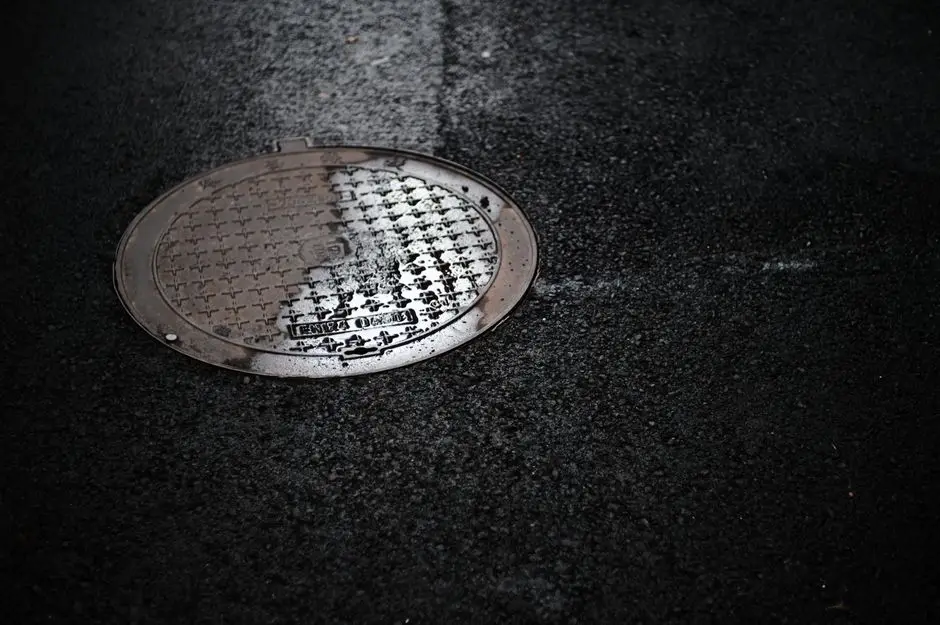
Close-up of a wet manhole cover on a rainy urban street, reflecting light.
Licensed Licensed & Bonded
Fully Insured Insured & Bonded
24/7 Emergency Same-Day Response
Warranty Backed Workmanship Guaranteed

What Sewer Backup Cleanup Includes

Sewer backup cleanup covers the contaminated water and building materials affected by the release, from initial containment through cleaning and drying checks. We identify the source area, extract standing water, remove porous materials that sewage has saturated, and disinfect compatible surfaces according to product directions. Structural repairs, plumbing-line repair, and replacement finishes are separate work after cleanup; we explain the handoff so you can plan the next stage.

Contamination Assessment

We map where sewage traveled, note affected rooms and materials, and establish a controlled work area. This includes checking floor edges, drain surrounds, and the lower portions of walls. You receive a practical explanation of what is visibly affected and what needs further inspection.

Water and Debris Removal

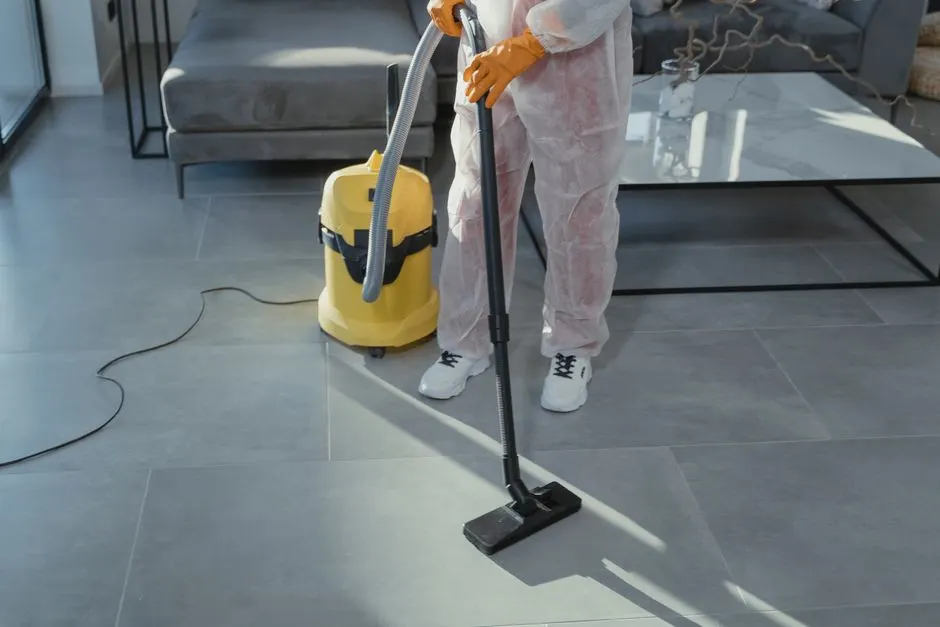
We extract standing sewage and remove contaminated debris using equipment and protective handling suited to the conditions. Porous items that cannot be cleaned effectively are separated from hard, cleanable surfaces. We keep the movement of bagged materials away from unaffected living areas.

Surface Cleaning and Disinfection

Our crew removes visible soil from compatible surfaces before using disinfectants. Products are applied according to their label directions, including dilution, surface compatibility, and contact time. This step supports sanitation; it does not make heavily saturated porous materials reusable.

Drying and Moisture Checks

We set drying equipment where remaining moisture is present and use moisture meters to track progress in affected materials. Readings help distinguish a dry surface from a damp wall or framing cavity. We review the results with you before equipment is taken down.

Sewer Backup Cleanup in Wisconsin: What It Covers


Sewer Backup Cleanup in Wisconsin is a property restoration service that removes sewage-contaminated water and materials, then cleans and dries affected building areas. We start by identifying the source and extent of the backup, setting up protective controls, and extracting liquid with equipment suited to the depth and access. Next, we separate salvageable surfaces from porous items that sewage has saturated, apply appropriate disinfectants, and monitor moisture in concrete, framing, and wall cavities. The work is complete when affected surfaces are cleaned and drying conditions are documented for the next repair step.

Wisconsin homes face backups after intense rain overwhelms older sewer systems, during winter thaw, and when a private lateral or basement drain becomes obstructed. A failed sump pump can complicate a sewer event, but sewage requires separate containment and handling. Our Wisconsin sewer water removal and sanitizing approach addresses contamination rather than treating it like ordinary groundwater. If you need Sewer Backup Cleanup for a flooded basement in Wisconsin, call promptly; standing sewage can spread into carpet, drywall, stored belongings, and floor-level utility areas.

What Happens During Cleanup

Sewer Backup Cleanup in Wisconsin follows a deliberate sequence: contain, extract, remove, clean, and dry. We explain the immediate priorities when we arrive, keep you informed as affected materials become visible, and record moisture checks as the work progresses. A small, accessible backup and a multi-room event do not follow the same schedule.

01

Schedule

Call or book online — a real human picks up and confirms a 2-hour arrival window.

02

Diagnose

Licensed tech inspects on-site, then walks you through the cause and your options.

03

Fix

The job is completed to code and done right the first time — no shortcuts, no surprises.

04

Guarantee

Every job backed by a written workmanship warranty — and we stand behind it.

Equipment and Cleanup Methods

Tools & Equipment

Submersible water pumps

We use pumps to remove deeper standing water from accessible basement floors and pits. Pumping reduces bulk volume before detailed extraction and surface cleaning.

Truck-mounted water extractors

High-capacity extraction equipment removes large volumes efficiently where a hose route and access are available. We use it to clear water before inspecting low spots and material edges.

Moisture meters

Moisture meters check whether framing, masonry, and other materials remain damp after extraction. Repeated readings help guide drying and document progress.

Thermal imaging cameras

Thermal imaging cameras help locate temperature patterns that can indicate hidden moisture. We use their readings alongside direct moisture checks rather than treating an image as a diagnosis by itself.

Dri-Eaz commercial dehumidifiers

Dri-Eaz equipment removes moisture from the air while air movers encourage evaporation from affected surfaces. We size and position equipment according to the room and drying conditions.

HEPA air scrubbers

HEPA air scrubbers support controlled work by filtering airborne particles in the contained area. They are used as part of the setup when conditions and the work plan call for additional air control.

Methods & Standards

Containment before extraction

We plan the route into the basement, isolate the affected area, and keep contaminated equipment and debris away from clean spaces. This reduces the chance of spreading sewage during removal. Protective controls are adjusted to the room layout and the extent of contamination.

Clean before disinfecting

Visible soil and residue must be physically removed before disinfectant can work as intended. We clean compatible surfaces, then apply an EPA-registered product according to label requirements for dilution and contact time. Porous materials that remain contaminated are removed rather than covered with treatment.

Measured structural drying

We use controlled airflow and dehumidification, then recheck materials with moisture meters. Drying continues until readings support the next repair step, rather than ending when the floor looks dry. This is especially important where concrete, masonry, or framing absorbed water.

When Cleanup Is Needed

01

A basement floor drain releases sewage after heavy rain and water reaches stored belongings.

What we do: We contain the affected section, extract the contaminated water, and sort impacted contents and materials by whether they can be safely cleaned. Our crew removes saturated porous items and treats compatible hard surfaces after soil is removed. We then check nearby walls and floor edges for moisture.

→ Your basement gets a controlled cleanup path instead of contaminated water being tracked through the house. You know what was removed, what was cleaned, and what needs drying or repair.

02

A frozen or obstructed sewer line causes an overnight backup near a laundry sink.

What we do: We assess whether the release has stopped, isolate the laundry area, and remove sewage from the floor and affected materials. If the line remains blocked, we explain the need for plumbing attention while handling interior cleanup. We dry the remaining structure and document the readings.

→ The contaminated zone is separated from household traffic, and cleanup proceeds without spreading sewage into adjacent rooms. The plumbing cause and restoration work have clear next steps.

03

A municipal sewer backup affects several basement rooms in a multi-unit property.

What we do: We establish a controlled work area, map the affected rooms, and coordinate access so residents do not cross contaminated routes. Extraction, porous-material removal, cleaning, and drying checks proceed in sequence. We communicate which areas are unavailable while the work is underway.

→ Property staff receive a clear view of affected spaces and drying progress. Residents can be directed away from the work zone until contaminated materials are removed and surfaces are cleaned.

How Cleanup Works Across Wisconsin

Wisconsin homes bring different challenges to sewer cleanup: older basements may have floor drains and masonry walls, while finished spaces conceal drywall, carpet pad, and insulation. Winter freezes can restrict ventilation and slow evaporation; spring thaw and heavy rain can push water through drains or expose a weak sewer connection. We adjust extraction and drying to the materials, room temperature, access, and moisture readings rather than using one equipment layout everywhere. Wisconsin sewer water removal and sanitizing also requires attention to applicable Wisconsin plumbing code requirements when plumbing work is involved, and to contractor requirements established by the Wisconsin Department of Safety and Professional Services. If you need emergency sewer water extraction and sanitizing Wisconsin, tell us whether the water is still entering and which rooms are affected. We can help you isolate the area, remove sewage, clean compatible surfaces, and plan drying around local building conditions.

Neighborhoods We Serve

  • Older masonry basements

    Concrete and masonry can retain moisture after the floor looks dry. We check wall bases and floor transitions before equipment comes down.

  • Finished lower levels

    Carpet, drywall, and insulation can hide contamination behind finished surfaces. We identify the affected boundary and remove saturated porous materials.

  • Shared multi-unit basements

    Common laundry and storage rooms require controlled access. We keep residents away from the work zone and plan debris movement to avoid clean corridors.

Local Conditions We Plan For

  • Freezing winter temperatures and limited basement ventilation

    Cold air and closed windows can slow evaporation and extend drying. We rely on controlled air movement and dehumidification, then verify moisture levels rather than opening the building to freezing outdoor air.

  • Spring thaw and repeated heavy rainfall

    Rapid runoff can coincide with overloaded drains or a sump pump overflow. We distinguish groundwater from sewage and set separate handling controls where both water sources have reached the basement.

  • Older drain connections and finished basement layouts

    A backup can emerge at a floor drain and travel under flooring or behind lower wall finishes. We inspect edges and concealed material boundaries to avoid leaving contaminated or damp sections behind.

Floor Drain Backup in a Laundry Room

Before

A floor drain released sewage across a 180-square-foot laundry area. Water reached the washer base, soaked carpet pad near the doorway, and left residue along the lower wall. The family had shut the door but did not know whether the drywall or framing had absorbed moisture.

After

The crew extracted standing water, removed the affected carpet pad and contaminated lower drywall, and cleaned the concrete floor. Moisture checks identified damp framing that needed continued drying. After 4 days of monitored equipment operation, readings supported moving to the repair stage.

Maintenance: Keep the floor drain accessible and avoid storing cardboard directly on the floor. Have recurring backups checked at the plumbing source, and test any installed backwater valve according to its maintenance instructions.

Before

A failed sump pump left water across a basement storage area, and a nearby drain also showed sewage. The two water sources crossed around shelves and boxes. A household wet/dry vacuum could not safely handle the contaminated section or establish a clean route through the room.

After

We separated the sewage-affected zone, extracted water with controlled equipment, and removed contaminated porous contents. Cleanable concrete and masonry were cleaned and treated. Air movers and a dehumidifier ran for 3 days while readings were checked at wall bases and stored-area boundaries.

Maintenance: Keep the sump pit clear of stored items and arrange regular pump checks before spring thaw. If water returns, note where it enters and keep people out until the source and contamination can be assessed.

Before

A multi-unit building had sewage on the floor near a shared laundry room and storage cages. Residents needed access to the stairs, but walking through the wet area risked tracking contamination into common spaces. Dampness extended beneath a short run of finished wall.

After

Our crew marked a controlled work zone, extracted water, removed affected porous wall material, and cleaned the remaining floor and masonry. Drying equipment ran for 5 days with moisture checks at the wall edge. Property staff received updates on areas that remained closed.

Maintenance: Keep common floor drains and access routes clear, and post a simple reporting procedure for residents. After cleanup, inspect the plumbing cause and restore removed finishes only after the affected structure is dry.

Problems Solved After a Sewer Backup

Sewer backups bring contamination, water damage, and uncertainty about what can be saved. Our cleanup addresses the immediate hazards and prepares your basement for repair. If you are weighing how soon should I call a sewer backup cleanup company?, call as soon as the area is safe to report; early containment limits spread.

Problem

Sewage spread from a floor drain into finished basement rooms

Contaminated water can reach carpet, drywall, stored belongings, and wall cavities. Delay increases the area requiring removal and makes clean access harder.

Our Fix

Wisconsin Basement Water Removal Pros isolates the affected rooms, extracts standing sewage, and separates cleanable hard surfaces from porous materials that need removal. We clean and disinfect compatible surfaces, then set drying equipment where moisture remains. You get a clear account of the affected boundaries before repairs begin.

Problem

Sewage mixed with groundwater after a sump pump failure

Different water sources can mix on the same floor, making ordinary extraction insufficient. Cross-contamination can spread through shoes, tools, or unprotected equipment.

Our Fix

We identify the contaminated zone and handle it separately from groundwater. Our crew removes bulk water, protects clean pathways, and uses appropriate protective equipment while disposing of affected debris. Moisture checks then guide drying across concrete, framing, and retained surfaces.

Problem

Lingering odor and dampness remain after visible water is gone

Odor can persist where contaminated residue or moisture remains in porous materials. Damp cavities can also support mold growth after water damage if they are closed too soon.

Our Fix

We inspect the affected area for residue and hidden moisture rather than masking odor. The crew removes unsalvageable porous materials, cleans remaining surfaces, and monitors drying with moisture meters. If readings remain elevated, we continue drying before recommending that finishes be restored.

Cleaner, Safer Recovery

Cleaner, Safer Recovery

Sewage in a basement needs a controlled response, not a mop and household cleaner. We focus on removing contaminated water, limiting cross-contamination, and getting the structure ready for repair. You get clear steps, measured drying progress, and a practical explanation of what can stay and what must go.

  • Contain Contamination

    We isolate the affected work area before moving equipment or debris through your home. Personal protective equipment and controlled bagging help keep sewage residue from spreading to clean rooms. This matters when the backup reaches a hallway, laundry space, or finished basement with shared access.

  • Remove Water Efficiently

    Submersible water pumps and truck-mounted water extractors move standing sewage out before detailed cleaning begins. Extraction speed depends on access and volume, but removing bulk water first reduces contact time for floors and walls. We then check low spots that ordinary wet/dry vacuums can miss.

  • Make Drying Measurable

    Moisture meters and thermal imaging cameras help us locate damp materials beyond visible puddles. We set air movers and commercial dehumidifiers according to the affected area, then recheck readings during drying. That gives you a clearer basis for deciding when repairs can proceed.

  • Protect Repair Decisions

    Our crew distinguishes cleanable hard surfaces from sewage-contaminated porous materials that should be removed. We explain the reason for each removal, including saturated carpet and carpet pad or affected drywall. That reduces guesswork before reconstruction and helps prevent trapped moisture from feeding mold growth after water damage.

Training and Safe Work

Licensed & Certified

  • Water Damage Restoration Technician — issued by Institute of Inspection, Cleaning and Restoration Certification
  • Applied Structural Drying — issued by Institute of Inspection, Cleaning and Restoration Certification
  • Applied Microbial Remediation Technician — issued by Institute of Inspection, Cleaning and Restoration Certification
  • OSHA Hazard Communication Standard — issued by Occupational Safety and Health Administration

Verified Reviews

Customer feedback Not stated

Our basement drain backed up and sewage reached the storage area. The crew contained the space, removed the wet carpet pad, and explained why the concrete could be cleaned but the porous items could not. They checked the wall moisture again before we scheduled repairs.

Customer feedback Not stated

After a storm, water and sewage appeared around the laundry floor drain. The team extracted the water, cleaned the hard surfaces, and kept us informed while the basement dried. We appreciated having the affected area and next steps explained in plain language.

Customer feedback Not stated

A backup affected our shared basement and residents needed a safe route to the stairs. The crew isolated the work area, removed contaminated materials, and coordinated access with us. Their moisture checks helped us decide when the room was ready for repair.

Field Knowledge and Training

Sewage work calls for water-restoration training, careful material decisions, and disciplined safety practices. Our technicians use IICRC Water Damage Restoration Technician principles for extraction and drying, with Applied Structural Drying methods where structural materials need controlled drying. For contamination concerns, we apply appropriate remediation practices and follow product labels rather than relying on fragrance or surface appearance. We also work within applicable Wisconsin Department of Safety and Professional Services contractor requirements and Wisconsin plumbing code requirements when the job involves regulated work. You get a crew that can explain the cleanup sequence in plain language.

  • IICRC Water Damage Restoration Technician training informs water removal, affected-material assessment, and moisture monitoring.
  • IICRC Applied Structural Drying methods guide equipment placement and measured drying of framing and masonry.
  • IICRC Applied Microbial Remediation Technician practices support careful handling where sewage contamination and microbial concerns overlap.
  • Technicians follow OSHA Hazard Communication Standard procedures for product labels, safety data, and chemical handling.
  • We use OSHA personal protective equipment requirements to reduce exposure during extraction, demolition, and contaminated debris handling.
Get Started Today
Field Knowledge and Training

Sewer Backup Cleanup Questions

Real answers to the questions we hear most often from local homeowners and property managers.

Who provides emergency Sewer Backup Cleanup in Wisconsin?
Wisconsin Basement Water Removal Pros provides emergency Sewer Backup Cleanup in Wisconsin for homes and properties with sewage-contaminated water. Call +18668968166 and tell us where the backup appeared, whether it is still flowing, and how much floor area is affected. We will guide you on keeping people away from the contaminated zone while arranging the next response steps. For an active plumbing release, stop use of affected fixtures if it is safe to do so.
Is basement water from a sewer backup hazardous?
Yes, basement water from a sewer backup is hazardous because it can contain pathogens and contaminate surfaces and porous materials. Keep children and pets out, avoid direct contact, and do not run fans that could spread droplets before containment. Our crew uses protective equipment, removes contaminated water and materials, and cleans remaining surfaces. If anyone has direct exposure, wash promptly and contact a medical professional for guidance.
What is included in sewage backup cleanup and sanitizing?
Sewage backup cleanup and sanitizing includes containment, water extraction, removal of unsalvageable porous materials, cleaning, disinfectant application, and structural drying checks. The exact work depends on how far sewage traveled and what it contacted. We use label-directed EPA-registered disinfectants on compatible surfaces; the product's contact time must be followed. If framing or masonry remains damp, we set drying equipment and monitor moisture before recommending the next repair stage.
Can I enter my basement before sewer backup cleanup begins?
Avoid entering a sewage-affected basement until the area has been assessed, especially if water is near electrical equipment or a furnace. Sewage exposure and hidden electrical hazards can make a quick inspection unsafe. If you need to shut off utilities, use a dry, accessible control outside the affected area or call the utility provider. Once our crew establishes a safe route, we can tell you what belongings are reachable and what should remain untouched.

Related Basement Recovery Services

Basement Water Removal

When a sewer backup leaves standing water across your Wisconsin basement, water removal clears the bulk liquid before surface cleaning and drying. We select extraction equipment for the depth and access, then identify low areas where contaminated water remains. Sewage requires a controlled cleanup sequence, not ordinary flood-water handling.

View Basement Water Removal

Emergency Basement Water Extraction

Emergency extraction addresses active flooding before water spreads farther through a basement. We pump or extract standing water, protect clean routes, and identify the next cleanup steps. After a sewer event, extraction is paired with contamination controls so water and debris do not move into unaffected rooms.

View Emergency Basement Water Extraction

Basement Flood Cleanup

Flood cleanup helps when a backup combines with rainwater, foundation seepage, or sump pump failure. We separate sewage-affected areas from other water sources because the handling requirements differ. Your crew can remove water, clean surfaces, and prepare damp sections for drying and repair.

View Basement Flood Cleanup

Basement Flood Damage Restoration

Once contaminated materials are removed and surfaces are cleaned, restoration addresses damaged finishes and building components. We document affected drywall, insulation, flooring, and framing so repair decisions follow the actual damage. This service connects cleanup to the work needed to return your basement to usable condition.

View Basement Flood Damage Restoration

Basement Drying and Dehumidification

Water can remain in framing and masonry after visible sewage is gone. Drying and dehumidification use controlled airflow and moisture checks to reduce residual dampness. We monitor readings over several days when conditions call for it, rather than treating a dry-looking floor as proof the structure is ready.

View Basement Drying and Dehumidification

Basement Structural Drying

Structural drying focuses on wood framing, concrete, and masonry that have absorbed moisture during a backup. We place air movers and dehumidifiers to reach affected surfaces, then check readings as drying progresses. This step helps you avoid closing damp cavities behind new finishes.

View Basement Structural Drying

Call for Sewer Backup Cleanup in Wisconsin

Sewage on your basement floor needs prompt containment and removal. Our trained crew handles extraction, contaminated-material removal, cleaning, and drying checks across Wisconsin. Call +18668968166 now and describe where the backup entered so we can help you take the next practical step.

Call Now Call for Cleanup

Contact Our Referral Team

Tell us what happened and where in Wisconsin you need help; call +1 866-896-8166 any time, day or night. We route your call to an independent company for basement water extraction, cleanup, or drying. Share the water source, approximate depth, and any sewage or electrical concerns so the responder can prepare for your situation.

Or call us right now at +18668968166 — we answer.

Wisconsin Basement Water Removal Pros


  • Phone

    +18668968166
  • Address

    Wisconsin

  • Hours

    Mon–Fri: 7AM – 7PM
    Sat: 8AM – 4PM
    Sun: Emergency Only
    24/7 Emergency Available

Call +18668968166 Get Quote
Call Quote