
Logo
Get Estimate

Basement Flood Damage Restoration in Wisconsin

We remove floodwater and dry the basement properly


Basement Flood Damage Restoration in Wisconsin helps homeowners and property managers recover after storms, sump pump failures, sewer backups, or leaking pipes. Our team extracts standing water, checks hidden moisture, removes unsalvageable materials, and sets up drying equipment to protect your home from further damage. For flooded basement restoration in Wisconsin, call us when water is still rising, floors are soaked, or basement walls remain wet.

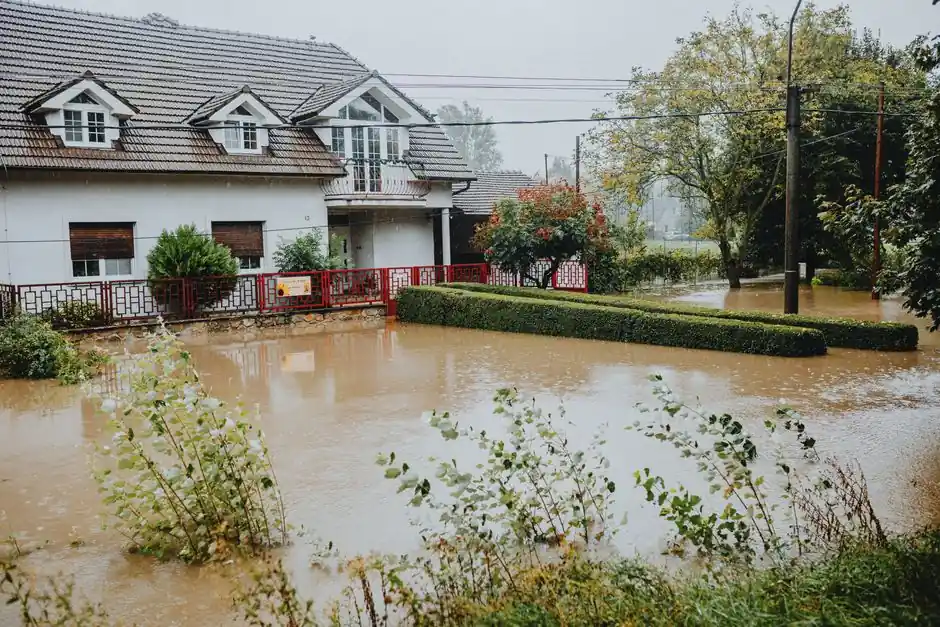
A suburban house surrounded by floodwaters after heavy rain, showing impact of natural disaster.
Licensed Licensed & Bonded
Fully Insured Insured & Bonded
24/7 Emergency Same-Day Response
Warranty Backed Workmanship Guaranteed

What Basement Flood Restoration Includes

Basement Flood Damage Restoration covers the emergency work needed to remove water, clean affected surfaces, and dry salvageable structure. We assess the source, measure moisture, and explain which materials can be retained or need removal. Finish carpentry, new flooring, and full reconstruction follow after drying is complete and are arranged as the next repair stage. You will know which part of the recovery each task addresses.

Flood Source Assessment

We identify the likely source, water depth, and affected rooms before selecting equipment. A supply-line leak, stormwater entry, and sewer backup require different cleanup controls. We also note electrical hazards and areas where water may have moved beneath finishes.
Standing Water Extraction

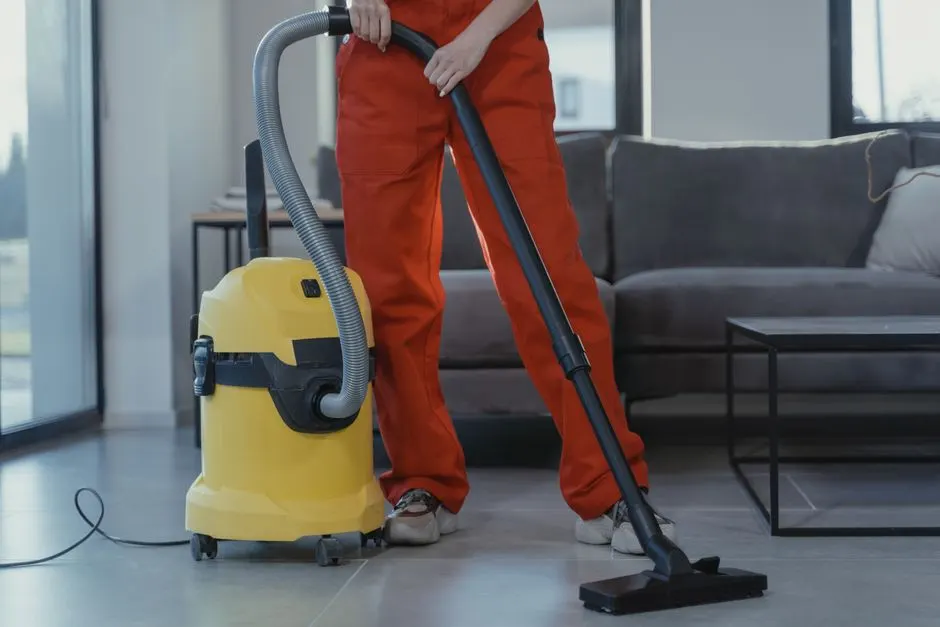
Pumps and extraction equipment remove pooled water from open floor areas and accessible low points. We follow with detailed extraction along wall edges and around obstacles, reducing leftover water that would otherwise prolong drying.

Affected Material Review

We inspect carpet and carpet pad, drywall, and accessible wood framing to determine what can be cleaned and dried. Saturated or sewage-contaminated porous materials are removed when restoration is not appropriate, with debris contained during handling.

Cleaning and Disinfection

We clean salvageable surfaces based on the contamination and material type. When disinfection is required, products are applied according to EPA-registered disinfectant label requirements, including the specified contact time and use directions.

Drying and Verification

Air movers and commercial dehumidifiers help remove moisture from the structure. We take repeat moisture readings, adjust equipment as needed, and confirm drying progress before the basement moves to reconstruction.

Basement Flood Damage Restoration in Wisconsin


Basement Flood Damage Restoration in Wisconsin is a water damage recovery service that removes floodwater, cleans affected areas, and dries building materials after a basement flood. We start by identifying the source and water category, then extract standing water and measure moisture in drywall, wood framing, and flooring. The work may include controlled demolition, cleaning, drying, and documentation of affected rooms. A quick response matters: wet carpet and drywall can deteriorate within 24 to 48 hours, while hidden moisture can remain inside wall cavities after the floor looks dry.

Wisconsin homes face winter pipe breaks, spring snowmelt, heavy summer storms, and fall rainfall that can overwhelm drainage systems. A failed sump pump or sewer backup calls for different safety steps than clean water from a supply line. Our process adapts to the source, affected materials, and conditions in your home. Basement Flood Damage Restoration after a Wisconsin storm starts with water removal and a moisture map, followed by targeted drying so you know which materials can be cleaned and which require removal.

What Happens During Restoration

Basement Flood Damage Restoration in Wisconsin follows a practical sequence: assess the hazard, extract water, clean, dry, and verify progress. We explain what we are doing as the work moves forward, so you know which rooms are active work zones and what to expect next.

01

Schedule

Call or book online — a real human picks up and confirms a 2-hour arrival window.

02

Diagnose

Licensed tech inspects on-site, then walks you through the cause and your options.

03

Fix

The job is completed to code and done right the first time — no shortcuts, no surprises.

04

Guarantee

Every job backed by a written workmanship warranty — and we stand behind it.

Equipment and Drying Methods

Tools & Equipment

Submersible water pumps

We use submersible water pumps to move deeper standing water out of basement low points before detailed extraction. Pump selection depends on water depth, access, and whether debris is present.

Truck-mounted water extractors

Truck-mounted water extractors provide high-volume removal for larger affected areas and saturated flooring. We use them after bulk water is controlled to extract remaining water from accessible surfaces.

Moisture meters

Moisture meters measure conditions in materials such as drywall and wood framing. We take readings during assessment and drying so equipment adjustments and completion decisions reflect actual conditions.

Commercial dehumidifiers

Commercial dehumidifiers remove moisture from basement air as wet materials release water during drying. We position them with air movers to support circulation and check progress through repeated moisture measurements.

HEPA air scrubbers

HEPA air scrubbers help manage airborne particles during cleanup and removal work. We use them as appropriate to the work area and contamination conditions, alongside containment and personal protective equipment.

Methods & Standards

IICRC WRT-based water assessment

We classify the water source, identify affected materials, and determine the immediate safety controls before extraction. IICRC Water Damage Restoration Technician principles guide the sequence from inspection through cleaning and drying. This helps distinguish clean supply water from floodwater or sewage that requires more restrictive handling.

Moisture mapping and verification

We record moisture readings in affected and nearby materials, then use those measurements to set drying equipment and track change. Readings are repeated during the job, especially at wall bases and material transitions. This provides a practical basis for confirming that the structure is ready for the next repair stage.

Controlled structural drying

We arrange air movement and dehumidification to draw moisture from the materials without simply blowing air across the room. Equipment placement changes as readings change. IICRC Applied Structural Drying practices inform this process, particularly when framing, masonry, or finished walls retain moisture after surface water is gone.

Contamination-aware cleanup

We separate sewage or heavily contaminated work from ordinary water cleanup, use required protective equipment, and remove porous materials that cannot be safely restored. Disinfectants are selected and applied according to label directions. This method limits cross-contamination while preparing remaining hard surfaces for drying.

When Restoration Is Needed

01

A spring storm overwhelms the sump system and leaves several inches of water across the basement.

What we do: We assess the water source and depth, extract standing water with pumps or truck-mounted equipment, and inspect flooring and wall edges. After extraction, we remove damaged materials where needed and set drying equipment based on moisture readings, not guesswork.

→ You get the basement cleared of pooled water and a documented drying process, with a clear transition from emergency cleanup to repairs.

02

A pipe freezes during a cold night and leaks behind drywall before anyone sees the water.

What we do: We check the affected wall and nearby floor, extract water, and map moisture in accessible materials. If the cavity remains wet, we open the affected section as needed, remove saturated insulation, and dry the framing before it is closed again.

→ The hidden leak damage is addressed before new drywall conceals damp framing, reducing the chance of recurring odor or material deterioration.

03

A sewer line backs up and wastewater reaches carpet, stored boxes, and lower drywall.

What we do: We control access to the contaminated area, remove sewage-affected porous items, and clean remaining surfaces with appropriate products. We then dry the structure and check adjoining areas where contaminated water or moisture may have spread.

→ Contaminated materials are removed rather than covered, and the remaining surfaces are cleaned and dried for a safer repair phase.

04

A sump pump overflow happens while you are away, leaving the basement humid and musty.

What we do: We identify the affected footprint, extract water from low points, and inspect the carpet pad, baseboards, and nearby wall surfaces. Dehumidifiers and air movers address residual moisture, while repeat readings confirm whether materials are drying.

→ You receive a practical account of what was affected, what was removed, and whether the remaining structure is ready for repairs.

How Wisconsin Basement Restoration Works

Basement Flood Damage Restoration in Wisconsin has to account for rapid seasonal changes. November brings freezing nights and thaw cycles; winter pipe breaks can put water behind finished walls, while spring snowmelt and summer storms test sump systems and foundation drainage. Older basements with concrete and masonry walls hold moisture differently from finished lower levels with carpet and drywall, so we measure materials rather than rely on surface appearance. Wisconsin flooded basement damage repair also requires attention to the water source: a sewer backup calls for contamination controls, while a burst supply pipe starts with source control and extraction. For a Wisconsin basement restoration after a sump pump overflow, we check the pit area, floor low points, and nearby porous materials before setting equipment. Our team follows applicable Wisconsin plumbing code requirements when work involves plumbing systems and observes Wisconsin Department of Safety and Professional Services contractor requirements relevant to the work. We tailor access, extraction, cleaning, and drying to the building and conditions at each property.

Neighborhoods We Serve

  • Older finished basements

    Finished walls can conceal wet insulation and framing. We check visible signs and moisture readings before deciding whether a limited opening is needed for effective drying.

  • Homes with sump pits

    A failed pump can leave water around the pit and across the lowest floor areas. We inspect those low points and nearby stored materials after extraction.

  • Basements with masonry walls

    Concrete and masonry can hold moisture after surface water disappears. We monitor readings and allow for slower drying where dense materials remain damp.

  • Utility and laundry areas

    Water heaters, laundry connections, and floor drains create distinct leak and backup risks. We assess nearby electrical and plumbing hazards before cleanup begins.

Local Conditions We Plan For

  • Freeze-thaw cycles stress pipes and foundation entry points

    Cold snaps can freeze vulnerable plumbing, while thaw periods expose leaks and seepage. We check wall bases and concealed areas near the source because water may travel away from the visible break.

  • Heavy rain and spring melt overload drainage systems

    Sump pump overflow and foundation water seepage can affect multiple rooms in a short period. We map the water footprint, remove pooled water, and dry materials before humidity spreads through the basement.

  • Cool basements slow evaporation during winter

    Lower temperatures reduce the speed at which some materials release moisture. We rely on measured readings and controlled equipment placement, extending drying when dense or concealed materials have not reached the required condition.

Stormwater Across Finished Flooring

Before

A storm pushed water across a finished basement, leaving carpet saturated and the lower drywall damp. The floor looked clearer after the homeowner used a shop vacuum, but water remained under the carpet pad and along the wall edges. Humidity climbed, and the room smelled musty the next morning.

After

We extracted the remaining water, removed the saturated pad, and checked the lower wall sections with moisture meters. Air movers and a dehumidifier ran for four days, with readings recorded during follow-up checks. The carpet was evaluated separately, and the affected area was left clean and dry for flooring repairs.

Maintenance: Keep gutters and downspouts clear, test the sump pump before forecast heavy rain, and move stored boxes off the floor. A battery backup and a high-water alarm provide extra warning if the primary pump fails.

Before

A failed sump pump allowed water to reach storage shelves and the basement stair landing. Cardboard boxes softened, water collected near the foundation wall, and the homeowner could not tell whether the carpet edge was still wet. The pump pit remained active as rain continued outside.

After

After the water source was controlled, we extracted water from the floor and checked the carpet edge, baseboards, and stored materials. We removed damaged porous items and ran drying equipment for three days, verifying the wall and floor readings before packing up. The homeowner received a clear list of the affected areas.

Maintenance: Check the sump pump operation periodically and keep the pit free of debris. Confirm that the discharge line carries water away from the foundation, and consider an alarm that alerts you when the water level rises.

Before

Wastewater backed up through a basement floor drain and reached laundry-area flooring and stored supplies. The homeowner had closed the door but had not entered the room, leaving the extent of contamination unknown. Several porous items and the bottom edge of a finished wall were affected.

After

We restricted access, removed contaminated porous items, and cleaned remaining surfaces with products used according to their label directions. The affected wall section was opened where needed, and the remaining structure was dried and checked over five days. The area was prepared for repair without covering wet or contaminated material.

Maintenance: Keep floor drains clear and avoid storing essential belongings directly on the basement floor. If wastewater returns through a drain, do not track it through the home; isolate the area and arrange contamination-aware cleanup.

Problems Solved After Basement Flooding

Basement flooding leaves hidden moisture, damaged finishes, and contamination risks that a quick mop cannot resolve. We identify the source and extent, remove water, and dry or remove affected materials using a plan suited to your home. If you are repairing walls and flooring after basement flooding in Wisconsin, verified drying is the necessary step before new finishes go in.

Problem

A sump pump overflow leaves water across finished basement flooring

Water beneath carpet and along baseboards can keep the floor assembly damp, damage trim, and create conditions for mold growth after water damage.

Our Fix

We extract water from the open floor and accessible edges, then inspect carpet, pad, and nearby wall materials. Moisture readings show how far the water traveled. We remove unsalvageable materials and set drying equipment where it can reach the affected structure, then recheck progress before equipment is removed.

Problem

Sewer backup contaminates porous items and lower wall sections

Sewage contamination can leave residue in materials that cannot be safely cleaned, while foot traffic can spread contaminated water beyond the original area.

Our Fix

We establish a controlled work area, use personal protective equipment, and remove sewage-contaminated porous materials. Remaining hard surfaces are cleaned with suitable disinfectants used according to label instructions. We keep contaminated debris contained and dry the remaining structure after cleanup is complete.

Problem

Foundation seepage leaves wet basement walls after heavy rain

Persistent dampness can affect stored belongings, raise indoor humidity, and make it difficult to determine whether a leak is active or old.

Our Fix

We trace visible wet areas, measure wall and floor moisture, and remove standing water if present. Air movers and dehumidification address residual moisture, while the readings help show whether water remains in the materials. We explain the observed damage so you can address drainage or repair needs separately.

Problem

A winter pipe break saturates stored belongings and framing

Cold-weather leaks can run unnoticed, soaking insulation and wall cavities while the basement surface remains only partly wet.

Our Fix

We extract water, inspect accessible wall sections, and use moisture measurements to find damp areas beyond the visible leak. Wet insulation or damaged porous finishes are removed when necessary, and structural drying continues until readings support the next repair step.

A Safer, Drier Basement

A Safer, Drier Basement

Floodwater leaves more than a puddle; it can soak floor coverings, reach electrical areas, and trap moisture behind finished walls. We focus on the steps that change the outcome: remove water, identify what is wet, and dry or remove affected materials. You get a clear path from a flooded room to a clean, usable space.

  • Water Out Quickly

    We use submersible water pumps and truck-mounted water extractors to remove standing water before it spreads into adjoining rooms. Extraction is followed by detailed checks along wall edges and under accessible flooring. That sequence reduces the volume of water left for drying equipment to handle and helps you move from emergency cleanup to restoration sooner.

  • Hidden Moisture Found

    Moisture meters help us check drywall, framing, and other materials that look dry at the surface. We compare readings across affected and unaffected areas, then set air movers where they can reach damp surfaces. You get a drying plan based on actual measurements rather than a guess based on how the room feels.

  • Contamination Managed

    Sewer backup and surface water require more than ordinary mopping. We isolate affected areas, use personal protective equipment, and remove sewage-contaminated porous materials that cannot be safely restored. Cleaning and disinfecting follow the water source and product label requirements, helping protect your household during cleanup.

  • Materials Evaluated Clearly

    We inspect carpet and carpet pad, drywall, and visible wood framing to determine what can be dried and what needs removal. The decision considers contamination, saturation, and measured moisture. You avoid paying to dry material that cannot be salvaged, while sound components remain in place whenever practical.

Training and Work Standards

Licensed & Certified

  • Water Damage Restoration Technician — issued by Institute of Inspection, Cleaning and Restoration Certification
  • Applied Structural Drying — issued by Institute of Inspection, Cleaning and Restoration Certification
  • Applied Microbial Remediation Technician — issued by Institute of Inspection, Cleaning and Restoration Certification
  • OSHA Hazard Communication Standard — issued by Occupational Safety and Health Administration

Verified Reviews

Customer feedback Not rated

After water covered the basement floor, the crew showed us where it had reached and how they would check the walls. They removed the wet pad, set drying equipment, and returned to take readings. We appreciated having a clear explanation of what needed to be removed and what could stay.

Customer feedback Not rated

Our sewer backup was a difficult mess, but the work area stayed controlled and contaminated items were kept separate. The team explained each cleanup step and checked the remaining surfaces before drying. We could see the difference between the affected area and the clean parts of the basement.

Customer feedback Not rated

A sump pump overflow soaked the carpet near the storage room. The crew extracted the water, checked the wall edges, and told us why the pad had to be removed. They monitored the drying instead of leaving equipment without follow-up, and we knew when the room was ready for repairs.

Training That Guides the Work

Flood restoration depends on sound decisions at each stage, especially when water has reached finished walls or carried sewage into a basement. Our technicians use recognized water-restoration practices, moisture measurement, and job-specific safety controls. Training includes IICRC Water Damage Restoration Technician (WRT) principles, with drying work informed by IICRC Applied Structural Drying (ASD) methods. We also follow the OSHA Hazard Communication Standard when handling cleaning products, and we use EPA-registered disinfectant label requirements to guide product application. We do not guess at hidden moisture; we measure, document, and adjust the drying plan.

  • We classify the water source before cleanup, because a supply-line leak and a sewer backup require different protective measures.
  • Moisture readings guide equipment placement and help confirm when affected materials are dry enough for the next repair step.
  • Our crews use IICRC WRT and ASD practices to structure extraction, cleaning, and structural drying decisions.
  • Personal protective equipment and controlled access help limit exposure during sewage contamination cleanup.
  • We document the affected areas and drying progress so you can coordinate later repairs with clear information.
Get Started Today
Training That Guides the Work

Cities We Serve Across Wisconsin

We provide Basement Flood Damage Restoration across Wisconsin, with service routes covering communities in multiple regions rather than a single metro area. flooded basement restoration in Wisconsin must respond to local conditions, from storm-driven water to winter pipe failures and sump pump problems. Our coverage includes Kenosha, Fond du Lac, Manitowoc, Middleton, and Wisconsin Rapids, with the same practical sequence of assessment, extraction, cleaning, and measured drying at each property.

Basement Flood Restoration Questions

Real answers to the questions we hear most often from local homeowners and property managers.

What does Basement Flood Damage Restoration include in Wisconsin?
Basement Flood Damage Restoration in Wisconsin includes water-source assessment, standing-water extraction, cleaning, material evaluation, structural drying, and moisture checks. The exact work depends on whether the water came from a pipe, storm, sump pump, or sewer backup. We remove damaged porous materials when needed, use disinfectants appropriate to the contamination, and track drying with moisture readings. Reconstruction of removed finishes is a separate repair stage after the structure is dry.
How long does flooded basement restoration take?
Most water extraction takes several hours, and structural drying often takes three to five days. The full flooded basement restoration in Wisconsin timeline depends on water depth, room size, material saturation, temperature, and contamination. Wet masonry or moisture trapped behind finished walls can take longer to dry. We check readings during the process and adjust equipment rather than removing it just because the floor feels dry.
Will Wisconsin basement flood restoration address damaged walls and floors?
Yes, Wisconsin basement flood restoration includes inspecting affected walls and floors, drying salvageable materials, and removing finishes that are saturated or contaminated. We check drywall, carpet and carpet pad, and accessible framing, then explain what can remain. Repairing walls and flooring after basement flooding in Wisconsin follows after drying is verified; reconstruction is coordinated once the affected structure is ready.
When should I hire a basement water damage restoration company?
Call a basement water damage restoration company in Wisconsin as soon as standing water, sewage, or soaked building materials are present. If water is near electrical equipment, do not enter the affected area; contact emergency services or a qualified electrician for immediate hazards. For a sump pump overflow or burst pipe, stopping the source and starting extraction promptly reduces the time materials stay wet and helps limit secondary damage.

Related Restoration Services

Basement Water Removal

Basement Water Removal focuses on taking standing water out of your home before it spreads farther into finishes and stored belongings. We select pumps or extraction equipment based on water depth and access, then move directly into inspection and drying when the source is controlled.

View Basement Water Removal

Emergency Basement Water Extraction

Emergency Basement Water Extraction addresses active flooding that needs immediate removal, including water from a broken pipe or overwhelmed sump system. We extract pooled water and work around stairs, floor drains, and tight access points, then assess what remains wet so restoration can continue.

View Emergency Basement Water Extraction

Basement Flood Cleanup

Basement Flood Cleanup removes residue, damaged contents, and contaminated materials after extraction. We clean hard surfaces and manage porous items according to the water source, helping you prepare the basement for drying. This is especially important after stormwater or sewer backup.

View Basement Flood Cleanup

Basement Drying and Dehumidification

Basement Drying and Dehumidification uses controlled airflow and moisture removal to dry walls, floors, and framing after a flood. We place equipment according to moisture readings and recheck conditions, so damp materials are not covered or rebuilt before they are ready.

View Basement Drying and Dehumidification

Basement Structural Drying

Basement Structural Drying targets moisture held in building materials, not only water visible on the floor. We monitor readings in accessible framing, masonry, and remaining finishes, then adjust airflow and dehumidification as conditions change. Proper drying supports sound repairs.

View Basement Structural Drying

Sump Pump Failure Cleanup

Sump Pump Failure Cleanup removes water that entered after a failed pump, power interruption, or discharge problem. We extract the water, check nearby walls and stored materials, and document the affected area. Once the source is addressed, drying equipment helps control residual moisture.

View Sump Pump Failure Cleanup

Get Basement Flood Damage Restoration in Wisconsin

Standing water, sewage, or a sump pump overflow needs prompt attention. Our team uses measured extraction and drying methods to help protect your home and prepare it for repairs. Call now to discuss the water source and your basement conditions; we will explain the immediate next step.

Call Now Call for Help

Contact Our Referral Team

Tell us what happened and where in Wisconsin you need help; call +1 866-896-8166 any time, day or night. We route your call to an independent company for basement water extraction, cleanup, or drying. Share the water source, approximate depth, and any sewage or electrical concerns so the responder can prepare for your situation.

Or call us right now at +18668968166 — we answer.

Wisconsin Basement Water Removal Pros


  • Phone

    +18668968166
  • Address

    Wisconsin

  • Hours

    Mon–Fri: 7AM – 7PM
    Sat: 8AM – 4PM
    Sun: Emergency Only
    24/7 Emergency Available

Call +18668968166 Get Quote
Call Quote