
Logo
Get Estimate

Sump Pump Overflow Cleanup in Wisconsin

Get standing water out and protect your basement


Sump Pump Overflow Cleanup in Wisconsin helps homeowners and property managers recover when a failed pump, blocked discharge line, or storm surge sends water across the basement floor. Our crew extracts standing water, checks affected materials, and sets drying equipment to limit damage to drywall, flooring, and stored belongings. Call us when water is rising, the pump keeps cycling, or a storm has overwhelmed your pit.

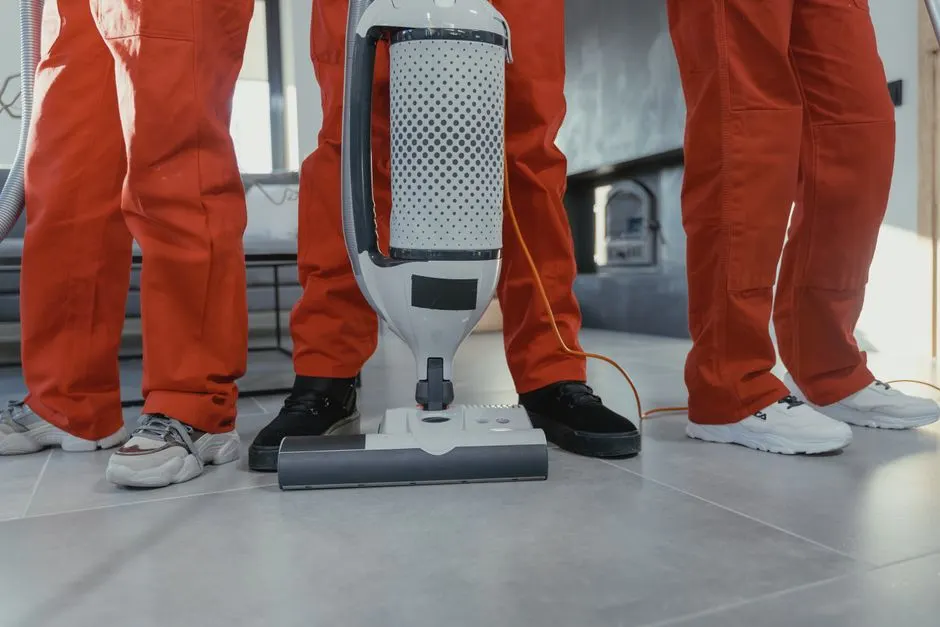
Team of professional cleaners in red uniforms using a vacuum cleaner indoors.
Licensed Licensed & Bonded
Fully Insured Insured & Bonded
24/7 Emergency Same-Day Response
Warranty Backed Workmanship Guaranteed

What Sump Overflow Cleanup Includes

Our cleanup covers safe assessment, standing-water extraction, moisture checks, cleaning of suitable affected surfaces, and drying equipment setup with follow-up readings. We explain what is salvageable and what needs removal. Pump replacement, electrical work, reconstruction, and extensive contents restoration are separate trades or services; we identify those needs clearly rather than treating them as water extraction.

Initial Water Assessment

We check water depth, source clues, electrical safety, and which rooms or materials are affected. This first assessment helps determine whether ordinary extraction is appropriate or whether signs of sewage contamination require isolation and additional protective measures.

Standing Water Extraction

We remove pooled water using equipment suited to the amount and access, then collect remaining water from low areas. You get a clear floor for inspection, and we can begin checking whether water traveled beneath stored items or into finished sections.

Material and Moisture Checks

We inspect visible drywall, flooring, trim, and accessible framing, then record moisture readings in affected and comparison areas. Readings help show where drying is still needed and whether porous materials should be removed instead of left in place.

Surface Cleaning

We clean affected hard surfaces and apply an appropriate antimicrobial treatment when conditions call for it. Products are used according to EPA-registered disinfectant label requirements; contaminated porous materials are handled separately rather than treated as cleanable surfaces.

Drying Equipment and Review

We position air movers and dehumidifiers to move moisture out of affected materials, then compare readings during follow-up checks. At the end, we review drying progress with you and identify any remaining repair, pump service, or reconstruction needs.

Sump Pump Overflow Cleanup in Wisconsin


Sump Pump Overflow Cleanup in Wisconsin is a water damage response service that removes overflow from a sump pit and dries the basement materials affected by it. We locate the water's spread, extract pooled water with submersible water pumps or truck-mounted water extractors, and use moisture meters to check floors, walls, and framing. If water reached carpet and carpet pad, we assess whether those materials can be dried or need removal. The goal is to stop continuing damage, document moisture conditions, and leave the space on a controlled drying plan.

Wisconsin basements face a mix of spring thaw, November rain, frozen discharge lines, and summer storms that can overwhelm a pump or expose a power problem. Wisconsin Sump Pump Overflow Cleanup addresses the water and its source-related clues, including a stuck float switch or a blocked outlet, while keeping any plumbing repair distinct from water mitigation. If you need Sump Pump Overflow Cleanup in Wisconsin after heavy rain, we focus first on safe extraction, then check for foundation water seepage and damp concealed areas.

What to Expect During Cleanup

Sump pump overflow cleanup follows a practical sequence: make the area safe, remove water, identify affected materials, and dry what can be saved. We explain each step as we work, so you know what is happening in your home and what the readings show.

01

Schedule

Call or book online — a real human picks up and confirms a 2-hour arrival window.

02

Diagnose

Licensed tech inspects on-site, then walks you through the cause and your options.

03

Fix

The job is completed to code and done right the first time — no shortcuts, no surprises.

04

Guarantee

Every job backed by a written workmanship warranty — and we stand behind it.

Tools and Drying Methods

Tools & Equipment

Submersible water pumps

We use these pumps to move deeper standing water from a sump area or low floor into an appropriate discharge point, reducing the volume before detailed extraction.

Truck-mounted water extractors

High-capacity extraction equipment removes larger volumes from accessible basement floors. It speeds the first stage of cleanup and helps limit how long water contacts building materials.

Moisture meters

These meters check moisture in materials and provide readings to compare during drying. We use the results to target damp areas instead of relying on appearance alone.

Commercial dehumidifiers

Dehumidifiers remove water vapor from basement air while air movers encourage evaporation from wet surfaces. We adjust placement as moisture readings change.

HEPA air scrubbers

Where dust or cleanup activity calls for additional air control, HEPA air scrubbers capture airborne particles. We select equipment based on the work area and contamination concerns.

Dri-Eaz equipment

Dri-Eaz restoration equipment can support controlled air movement and dehumidification. Our technicians position units to suit the room layout and measured drying needs.

Methods & Standards

IICRC water damage assessment

We classify the water condition, identify affected materials, and record initial moisture readings before setting equipment. That baseline makes later checks meaningful and helps distinguish a clean sump spill from a possible sewer backup.

Controlled extraction and drying

We remove bulk water first, then use planned airflow and dehumidification to dry affected materials. Equipment placement accounts for room size, access, and material type. Follow-up measurements guide adjustments, so machines are not removed solely because the floor looks dry.

Contamination-aware cleaning

Cleaning products and antimicrobial treatments are selected for the surface and water conditions. We follow EPA-registered disinfectant label requirements, protect the work area, and remove sewage-contaminated porous materials when they cannot be safely restored.

Worker and occupant protection

Our work follows OSHA Hazard Communication Standard practices and OSHA personal protective equipment requirements. We control access around wet electrical areas and explain any safety restrictions before extraction or cleaning starts.

When to Call for Cleanup

01

A November rainstorm overwhelms a sump pump and leaves water across the basement before bedtime.

What we do: We assess safe access, extract the standing water, and check how far it reached beyond the sump area. If the floor is finished, we inspect carpet edges and lower drywall; if it is concrete, we check low spots and stored items. Drying equipment is placed after the affected area is mapped.

→ The spill is removed and you get a documented drying plan before damp materials sit through the night. We also flag any pump or discharge issue for repair.

02

A frozen discharge line or power interruption leaves the pump running poorly during a winter thaw.

What we do: We prioritize water removal while avoiding unsafe contact with powered equipment or standing water. Once the area is safe, we check the floor and nearby materials for moisture and arrange airflow and dehumidification suited to the basement. A plumbing professional addresses the line or pump fault.

→ Water is cleared from the affected area, and drying starts without confusing mitigation with pump repair. You know which materials need monitoring and which issue needs a separate trade.

03

A rental basement shows a musty smell after a sump pit overflow but no obvious puddle remains.

What we do: We inspect likely migration points, including baseboards, flooring edges, and accessible wall areas, then use moisture readings to check for retained water. If readings show damp materials, we set targeted drying equipment and explain whether cleaning or removal is needed.

→ The owner gets a clearer record of affected areas, and occupants get a practical plan to address moisture rather than masking the odor with fragrance.

04

Water near a floor drain smells foul, raising concern that the event includes a sewer backup.

What we do: We pause ordinary cleanup, assess the water, and isolate the affected section if contamination is suspected. Appropriate PPE and handling procedures guide removal. We separate salvageable hard surfaces from porous items that should not remain, then clean and disinfect according to product labels.

→ The response matches the contamination risk instead of spreading it through the basement. You receive clear direction about affected materials and the next safe steps.

How Cleanup Works Across Wisconsin

Sump Pump Overflow Cleanup in Wisconsin changes with the weather and the basement, not just the amount of water. In November, rain-soaked ground and early freezes can combine with a blocked or frozen discharge line; spring thaw and heavy rain bring another surge in sump activity. Older homes may have concrete and masonry foundations with unfinished storage areas, while remodeled basements often include drywall, carpet, and insulated cavities that hold moisture out of sight. Our crew checks the actual materials before choosing extraction and drying methods. Wisconsin sump pump water spill removal also means checking whether water came only from the sump or whether a sewer backup or leaking pipe is involved. We follow applicable Wisconsin plumbing code requirements when discussing pump or discharge concerns, and Wisconsin Department of Safety and Professional Services contractor requirements apply to regulated contractor work. For how to remove water after a sump pump overflows, the safe sequence is to avoid electrical hazards, extract standing water, and measure affected materials before drying.

Neighborhoods We Serve

  • Older finished basements

    Finished rooms can hide water behind baseboards and beneath flooring. We check exposed edges and accessible cavities before deciding whether surface drying alone is enough.

  • Low-lying basement entries

    Water can travel from the sump corner toward a stair landing or utility room. We trace the path and keep extraction focused on low areas where water collects.

  • Unfinished utility spaces

    Exposed concrete and mechanical equipment make access easier, but water around electrical panels or appliances still requires a safety-first inspection before cleanup begins.

  • Shared residential buildings

    A sump overflow in a common basement can affect stored property and adjacent rooms. We identify the wet boundary, manage access, and document the materials that need drying.

Local Conditions We Plan For

  • Frozen ground and discharge lines during a Wisconsin cold snap

    A pump may run while its discharge path cannot carry water away, sending water back toward the pit or basement. We remove the resulting water and identify visible discharge concerns for qualified repair without treating cleanup as plumbing work.

  • Heavy rain followed by saturated soil around the foundation

    Groundwater pressure can increase seepage and keep a sump system cycling. A cleanup visit addresses the interior spill, checks nearby walls and floor joints, and records moisture so recurring seepage is not mistaken for a one-time puddle.

  • Finished rooms with insulation and drywall around the lower wall

    Water can wick upward or move behind the finished surface. We inspect accessible edges and use moisture readings to decide whether drying is sufficient or material removal is needed to reach concealed wet areas.

Storm Overflow in a Finished Room

Before

A sump pit overflow sent water across a finished basement floor after heavy rain. The carpet looked damp near the wall, but stored bins blocked the full path and the lower drywall felt cool. The homeowner could not tell whether water had reached the carpet pad or moved behind the baseboard.

After

We extracted the visible water, moved accessible contents, and mapped moisture at the carpet edge and wall. The crew removed unsalvageable wet pad, set air movers and a dehumidifier, and checked readings over three days. The floor was clear and the remaining drying areas were easy to identify.

Maintenance: Test the pump and float switch before the next wet season, keep the discharge outlet clear, and avoid storing boxes directly against basement walls. A battery backup or service check can reduce the chance that a power interruption becomes another spill.

Before

A failed pump left standing water around a laundry room and the adjoining storage space. Water reached the base of a cabinet, and the homeowner was unsure whether the wall or nearby contents had absorbed moisture. The pump had stopped, but damp concrete remained after the puddle was removed by hand.

After

Our technicians checked safe access, extracted the pooled water, and compared moisture readings at the floor and lower wall. We positioned two air movers with a dehumidifier and returned to check progress. Within four days, readings had fallen substantially in the accessible areas and the affected contents were sorted.

Maintenance: Keep the sump pit clear of debris and listen for unusual cycling or continuous operation. Have pump and discharge components inspected by a qualified plumbing professional, especially before seasonal rain or thaw increases groundwater load.

Before

Water around the sump had an unpleasant odor and extended toward a floor drain. The family stopped using the basement but did not know whether the event was ordinary overflow or sewage-related. Porous items sat close to the wet area, making casual mopping an unsafe option.

After

We assessed the water condition, controlled access, and separated porous materials from cleanable hard surfaces. The affected area was cleaned using suitable products and label directions, and the floor was checked for remaining moisture. The family received a clear account of what was removed and what could remain.

Maintenance: Keep the floor drain accessible and watch for foul odor, discoloration, or water rising at multiple fixtures. Those signs can indicate a sewer backup rather than a simple pump overflow and call for prompt, contamination-aware cleanup.

Problems Solved After Sump Overflow

An overflowing sump pump can leave more than a puddle: water may reach stored belongings, finished walls, or flooring before the pit is noticed. Wisconsin cleanup and drying after sump pump overflow targets both visible water and moisture left in materials. We identify the extent, remove what cannot be saved, and set a practical drying plan.

Problem

Water spreading from the sump pit into finished basement rooms

Water can soak carpet and carpet pad, stain drywall, and reach stored belongings. Continued contact raises the chance of persistent odor and mold growth after water damage.

Our Fix

We map the path from the pit, extract standing water, and check adjoining rooms instead of limiting the inspection to the sump corner. Moisture readings show whether carpet edges, lower drywall, or trim remain wet. We then dry salvageable materials and identify items or porous components that need removal.

Problem

A pump runs continuously but the basement floor keeps getting wetter

A stuck float, blocked discharge, or overwhelmed system can keep water entering faster than it leaves. Delaying extraction gives water more time to reach electrical equipment and finished materials.

Our Fix

We focus first on safe access and water removal, then document where the water stands and how far it has spread. Our team can identify visible signs consistent with pump failure or discharge trouble, while a qualified plumbing professional handles repair. Drying begins once the spill is controlled.

Problem

Unclear water source raises concern about sewage contamination

Treating sewage-contaminated water as clean sump water can expose people to contamination and leave unsafe porous materials behind. Odor, discoloration, or a backup connection changes the cleanup requirements.

Our Fix

We assess the water before cleaning, isolate suspect areas, and use appropriate protective equipment and handling procedures. If sewage contamination is confirmed or strongly indicated, porous materials that cannot be safely cleaned are removed. Suitable hard surfaces are cleaned and disinfected according to product directions.

Problem

Concrete looks dry while basement humidity stays unusually high

Moisture trapped under flooring or behind trim can keep indoor humidity elevated and support musty odors. Visual inspection alone can miss damp assemblies after the puddle is gone.

Our Fix

We compare moisture readings at the floor, walls, and accessible framing, then position drying equipment for the affected zone. Follow-up measurements show whether humidity and material moisture are moving in the right direction. If readings remain high, we adjust the setup or recommend further inspection.

A Dry Basement, Without Delay

A Dry Basement, Without Delay

Sump pump water spreads quickly across a low floor and can soak contents before you spot the full path. We remove accessible water, check damp materials, and build a drying setup around your basement layout. You get clear next steps, not guesswork.

  • Water Removed Quickly

    We use extraction equipment suited to the depth and area of the spill, then confirm the visible floor is clear. For a shallow 200-square-foot spill, extraction often takes a few hours; a deeper pit overflow or multiple rooms takes longer. Early Wisconsin sump pump water spill removal reduces the time water sits against trim, stored boxes, and concrete.

  • Hidden Dampness Checked

    A dry-looking surface can hide moisture behind baseboards or under flooring. Our technicians use moisture meters and thermal imaging cameras to identify suspect areas and record readings for comparison. That gives you a measurable drying target instead of relying on touch or appearance alone.

  • Materials Assessed Carefully

    We sort affected items and building materials by exposure and condition. Clean water on sealed concrete calls for a different plan than contaminated water soaking porous items. If sewage contamination is suspected, we isolate the area and follow appropriate removal and disinfectant procedures rather than treating it like an ordinary sump spill.

  • Drying Set to Conditions

    Air movers and commercial dehumidifiers are positioned to circulate air without scattering debris. We monitor moisture and indoor humidity during drying, adjusting the setup as readings change. A modest spill can dry in 2-4 days; wet insulation or enclosed cavities can extend the schedule.

Training and Work Standards

Licensed & Certified

  • Water Damage Restoration Technician — issued by Institute of Inspection, Cleaning and Restoration Certification
  • Applied Structural Drying — issued by Institute of Inspection, Cleaning and Restoration Certification
  • Applied Microbial Remediation Technician — issued by Institute of Inspection, Cleaning and Restoration Certification
  • OSHA Hazard Communication Standard — issued by Occupational Safety and Health Administration

Verified Reviews

Google Not stated

Our sump pump overflow left water in two basement areas. The crew extracted it, checked the carpet edge, and explained the readings at the lower wall. They also returned to adjust the drying setup. We appreciated getting a clear explanation of what was wet instead of being told the room was fine just because the floor looked dry.

Google Not stated

The water appeared after a storm, and we were concerned it might have reached the laundry area. The technicians checked safety first, removed the standing water, and showed us which items were affected. Their follow-up moisture check helped us understand when the equipment could come out.

BBB Not stated

We had a foul-smelling spill near the sump and floor drain. The crew treated it cautiously, separated items that could not be kept, and cleaned the hard surfaces. They explained why this was different from ordinary rainwater and gave us a sensible next step for the plumbing issue.

Field Knowledge That Matters

Sump overflow cleanup demands more than pulling water off a floor. Our technicians assess the water category, building materials, airflow, and likely migration path before choosing a drying plan. Training in IICRC Water Damage Restoration Technician practices supports sound extraction and monitoring decisions; IICRC Applied Structural Drying methods guide equipment placement and verification. We follow OSHA personal protective equipment requirements and the OSHA Hazard Communication Standard when handling products. Our local experience includes basements with concrete and masonry walls, finished rooms, and seasonal water intrusion.

  • IICRC Water Damage Restoration Technician training supports water-category assessment, extraction choices, and clear moisture documentation.
  • IICRC Applied Structural Drying principles guide airflow, dehumidifier placement, and verification before drying equipment is removed.
  • We use moisture meters to compare readings over time rather than calling a basement dry because surfaces look clean.
  • Technicians follow OSHA personal protective equipment requirements and read product labels before applying cleaning agents.
  • We distinguish a sump overflow from sewer backup, burst or leaking pipes, and foundation water seepage because each needs a different response.
Get Started Today
Field Knowledge That Matters

Sump Overflow Cleanup FAQs

Real answers to the questions we hear most often from local homeowners and property managers.

What should I do when my sump pump overflows in Wisconsin?
Stop using the affected area, keep away from standing water near electrical equipment, and call for extraction as soon as it is safe. If you can do so without entering water, move valuables to a dry area and note whether the water looks dirty or smells like sewage. Do not run an ordinary vacuum through standing water. We can remove water, check materials, and explain whether the pump, discharge line, or a separate plumbing issue needs attention.
How much does Sump Pump Overflow Cleanup cost?
A small, clean-water spill often costs about $250-$900, while larger or contaminated losses can exceed $2,000. Typical 2026 pricing depends on water volume, affected rooms, material removal, access, and the number of drying days. We explain pricing upfront before work proceeds. Wisconsin sump pump water spill removal that needs only extraction costs less than a finished basement with wet drywall, carpet pad, or enclosed framing.
Can a cleanup crew dry a basement after a sump pit overflow?
Yes, a trained crew can extract water and dry many affected basement materials when the water category and material condition allow it. We map moisture, remove water, and set air movers and commercial dehumidifiers, then compare readings during the drying period. The process often takes 2-4 days for an open, modest spill. Sewage-contaminated porous materials require a different handling plan and may need removal instead of drying.
How quickly should I call for sump pump overflow cleanup?
Call as soon as you discover active overflow; minutes matter when water is spreading toward finished rooms or electrical equipment. For an emergency basement water cleanup from a sump pump overflow, we first address safe access and extraction, then assess damp materials. If the water has stopped, don't assume the job is over: wet drywall, insulation, or carpet pad can hold moisture after the floor looks dry.

Related Basement Services

Basement Water Removal

When overflow has spread beyond the sump area, basement water removal clears standing water from floors and accessible low spots. We choose extraction equipment for the depth and room layout, then check nearby materials so your cleanup plan includes more than the obvious puddle.

View Basement Water Removal

Emergency Basement Water Extraction

Active overflow, a failed pump, or a fast-rising water line calls for immediate extraction. Our crew removes pooled water with pumps or extractors, protects access around electrical hazards, and identifies the next drying steps before water migrates into additional rooms.

View Emergency Basement Water Extraction

Basement Flood Cleanup

A sump overflow can become a wider basement flood when water crosses doorways or reaches storage and finished areas. Flood cleanup addresses extraction, surface cleaning, affected contents, and a room-by-room moisture check to set priorities for drying and repairs.

View Basement Flood Cleanup

Basement Flood Damage Restoration

After water removal, restoration may include removing damaged materials and preparing the basement for rebuilding. We identify wet drywall, trim, insulation, or flooring and explain what should be dried, cleaned, or removed based on exposure and measured conditions.

View Basement Flood Damage Restoration

Basement Drying and Dehumidification

Drying controls humidity and moves moisture out of affected materials after extraction. We position air movers and commercial dehumidifiers, then monitor moisture readings so equipment stays in place until the basement reaches appropriate drying targets.

View Basement Drying and Dehumidification

Basement Structural Drying

Water can move behind baseboards, into framing, or beneath finished flooring. Structural drying focuses on those building assemblies, using measured readings and planned airflow rather than relying on a dry surface. We track changes and adjust equipment as the structure dries.

View Basement Structural Drying

Call for Sump Pump Overflow Cleanup

Water keeps moving until it is extracted, and damp materials need a measured drying plan. Our technicians follow IICRC water-restoration practices and explain what your basement needs. Call +18668968166 now to arrange Sump Pump Overflow Cleanup in Wisconsin.

Call Now Call for Cleanup

Contact Our Referral Team

Tell us what happened and where in Wisconsin you need help; call +1 866-896-8166 any time, day or night. We route your call to an independent company for basement water extraction, cleanup, or drying. Share the water source, approximate depth, and any sewage or electrical concerns so the responder can prepare for your situation.

Or call us right now at +18668968166 — we answer.

Wisconsin Basement Water Removal Pros


  • Phone

    +18668968166
  • Address

    Wisconsin

  • Hours

    Mon–Fri: 7AM – 7PM
    Sat: 8AM – 4PM
    Sun: Emergency Only
    24/7 Emergency Available

Call +18668968166 Get Quote
Call Quote