
Logo
Get Estimate

Basement Flood Cleanup in Wisconsin for Wet Homes

We remove water, dry materials, and restore usable space.


Basement Flood Cleanup in Wisconsin gets standing water out and addresses the wet materials left behind, so your lower level can be dried safely and put back into service. We help homeowners facing storm water, a failed sump pump, leaking pipes, or a sewer backup. Our Wisconsin flooded basement cleanup company evaluates the water source and affected materials, then builds the work plan around the actual damage in your home.

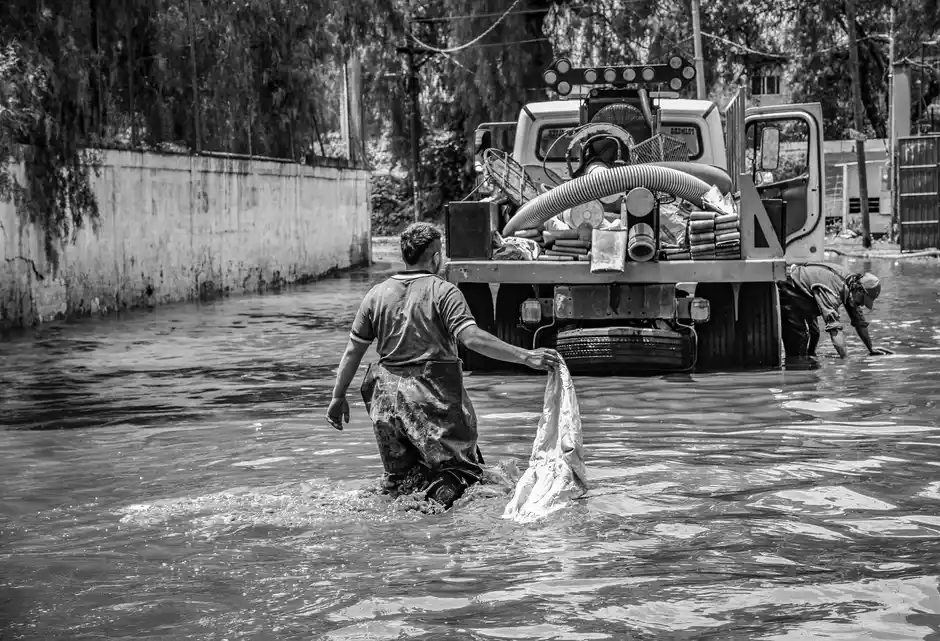
A black and white photo depicting flood cleanup efforts in an urban setting, showcasing resilience.
Licensed Licensed & Bonded
Fully Insured Insured & Bonded
24/7 Emergency Same-Day Response
Warranty Backed Workmanship Guaranteed

What Basement Flood Cleanup Includes

Basement Flood Cleanup in Wisconsin covers assessment, extraction, cleaning of suitable surfaces, moisture checks, and drying when water has reached building materials. The work plan changes with the source: a clean pipe leak is not handled like sewage. Reconstruction, plumbing repairs, and replacement of damaged finishes are separate work stages, but we identify those needs during cleanup and explain the handoff clearly.

Water Source Assessment

We determine whether water came from rain, groundwater seepage, a sump pump, plumbing, or sewer backup. That distinction guides protective measures, cleaning products, and material decisions. We also look for water paths around floor drains, utility penetrations, and the base of finished walls.

Standing Water Extraction

We remove accessible water with pumps, truck-mounted extractors, or wet/dry vacuums, depending on depth and site access. Extraction includes low areas and edges where water tends to remain. Removing bulk water first gives drying equipment a better chance to address moisture left in materials.

Affected Material Review

We inspect flooring, drywall, insulation, stored contents, and exposed framing to determine what can be cleaned and dried. Materials affected by sewage receive more restrictive handling than materials exposed to a clean-water leak. We explain removal decisions before disturbing walls or finishes.

Cleaning and Surface Treatment

We clean appropriate surfaces and apply disinfectants or antimicrobial treatments where conditions support their use. Product selection and contact time follow the label, and treatment does not replace removal of porous materials that are heavily contaminated. The aim is a clean work area prepared for drying or repair.

Drying and Moisture Checks

Air movers and dehumidifiers support drying after extraction. We track moisture in affected materials and adjust equipment placement as readings change. At the end of the drying phase, we review the results with you and identify any remaining repair work.

Basement Flood Cleanup in Wisconsin: The Work


Basement Flood Cleanup in Wisconsin is a water-damage service that removes standing water, cleans affected surfaces, and dries salvageable building materials after a basement flood. We first identify whether the water came from rain, a plumbing leak, or sewage, because the source determines which materials can be cleaned and which must be removed. Extraction is followed by moisture checks in drywall, wood framing, concrete and masonry, and other affected areas. That sequence limits hidden dampness and gives you a clear path from a flooded room to a dry, usable space.

Wisconsin homes face changing risks through the year: November freeze-thaw shifts, winter pipe breaks, spring snowmelt, and summer downpours can all push water into a basement. Heavy rain can overwhelm a sump system, while a sewer backup requires stricter separation and protective handling than clear groundwater. For Basement Flood Cleanup after heavy rain in Wisconsin, we check the water source, how far it traveled, and whether carpet and carpet pad or porous contents are contaminated. Then we set extraction and drying priorities to fit the building, not a one-size checklist.

What to Expect During Cleanup

Basement Flood Cleanup in Wisconsin follows a practical sequence: assess the hazard, extract water, remove unsalvageable materials, and dry what remains. We explain each stage before moving equipment into your home, so you know what we are doing and why.

01

Schedule

Call or book online — a real human picks up and confirms a 2-hour arrival window.

02

Diagnose

Licensed tech inspects on-site, then walks you through the cause and your options.

03

Fix

The job is completed to code and done right the first time — no shortcuts, no surprises.

04

Guarantee

Every job backed by a written workmanship warranty — and we stand behind it.

Equipment and Drying Methods

Tools & Equipment

Submersible water pumps

We use pumps to remove deeper standing water from open floor areas and sump pits. Controlled pumping helps clear bulk water before detailed extraction and cleaning.

Truck-mounted water extractors

These extractors remove water from flooring and accessible surfaces after bulk pumping. Their strong recovery helps reduce moisture left in carpet and other wet surfaces.

Moisture meters

We take readings in drywall, framing, and other materials to track drying. Comparing affected spots with dry reference areas helps us make equipment and removal decisions.

Thermal imaging cameras

Thermal imaging helps identify temperature patterns that can point to concealed moisture. We confirm suspected areas with direct moisture measurements before deciding what access or drying is needed.

Dri-Eaz dehumidifiers

We use commercial dehumidification to remove moisture from basement air while air movers circulate it across wet materials. Equipment placement is adjusted as readings improve.

HEPA air scrubbers

Where the work produces airborne dust or involves controlled removal, HEPA air scrubbers help manage particles in the work area. We select and position them to suit the cleanup conditions.

Methods & Standards

IICRC water damage assessment

We classify the water source and assess how it contacted building materials before selecting a cleanup method. That assessment separates clean-water drying from sewage-contamination work and helps determine whether carpet, drywall, or insulation can remain. It also gives us a starting point for moisture monitoring.

Measured structural drying

We establish initial moisture readings, place air movers and dehumidifiers, then check the same materials as drying progresses. Equipment is adjusted when readings stop improving or a concealed wet area is found. We remove equipment when measurements support the decision, not simply because the room feels dry.

Contamination control

For sewer backup, we separate affected and clean areas, use personal protective equipment, and handle contaminated porous materials as waste when they cannot be safely restored. Surfaces that remain are cleaned and treated with appropriate products, following label directions for concentration and contact time.

OSHA-aligned product handling

Our team follows OSHA Hazard Communication Standard practices when using cleaning and treatment products. We review labels and safety information, use protective equipment suited to the task, and keep materials managed in the work area. This supports safe handling during cleanup and helps prevent product misuse.

When to Call for Cleanup

01

A November freeze-thaw cycle is followed by water seepage along a basement wall after rain.

What we do: We remove pooled water, trace the affected wall and floor edge, and check whether seepage reached drywall, stored contents, or flooring. We dry the structure and identify visible entry points that need separate drainage or foundation repair.

→ You get a clear separation between cleanup and the source repair, plus measured drying progress before the basement is put back into use.

02

A sump pump fails during an overnight storm and water spreads across the utility room.

What we do: We assess safe access, extract water with equipment matched to its depth, and check the sump area, nearby floor drain, and lower wall sections. We then set drying equipment and document which belongings can be cleaned or salvaged.

→ The standing water is removed and the affected zone has a monitored drying plan, while the failed pump is identified for repair.

03

A sewer backup pushes wastewater through a basement floor drain and onto finished flooring.

What we do: We isolate the contaminated area, use protective equipment, remove sewage and unsalvageable porous materials, and clean suitable surfaces with products used according to their labels. We then dry the remaining structure and explain disposal and repair needs.

→ Contaminated debris is separated from unaffected areas, and the basement is prepared for safe follow-up repairs.

04

A supply pipe breaks behind a finished wall while the household is away for a weekend.

What we do: We confirm the water source has been stopped, extract pooled water, and assess how far moisture traveled into drywall, insulation, and framing. We open access where needed for drying and monitor readings before equipment removal.

→ You know which building materials can be dried and which need replacement, with hidden moisture addressed before wall repairs.

How Cleanup Works Across Wisconsin

Wisconsin weather changes the way basement floods start. As November gives way to winter, freeze-thaw cycles and frozen lines can contribute to leaks; spring snowmelt and saturated ground raise seepage risk, while summer storms can overwhelm sump systems in minutes. Older homes may have stone or concrete foundations and finished lower levels with drywall, carpet, and insulation that trap water. Newer basements still need careful checks around floor drains, sump pits, and utility penetrations. Our Wisconsin flooded basement cleanup company evaluates the water source and construction before selecting extraction, removal, and drying steps. For Wisconsin basement cleanup after sump pump failure, we inspect the pit and surrounding floor, remove standing water, and check nearby materials for hidden moisture. We also account for applicable Wisconsin plumbing code requirements when a plumbing issue needs trade work, and for contractor requirements that apply to restoration activity. The process is adjusted to the property and water conditions rather than assuming every basement is built or affected the same way.

Neighborhoods We Serve

  • Bay View

    Basements with older finishes and utility penetrations need checks beyond the visible waterline. We inspect wall bottoms and flooring edges where seepage can remain after extraction.

  • East Side

    Finished lower levels can conceal damp drywall or carpet pad. We use readings to decide whether materials can dry in place or need removal for access.

  • Third Ward

    Mixed-use and multi-unit buildings require a controlled work path through shared areas. We keep affected contents and cleanup debris separated from common access routes.

  • Tosa Village

    A basement leak near stored items can spread unnoticed along the floor. We check underneath and around contents while preserving a clear route for extraction equipment.

Local Conditions We Plan For

  • Freeze-thaw weather and frozen plumbing lines during Wisconsin winters

    A pipe can leak as temperatures shift, soaking a wall cavity before water appears on the floor. We check the likely path of the leak, extract accessible water, and inspect surrounding materials so damp insulation or framing is not overlooked.

  • Spring snowmelt and repeated rain saturating soil near foundations

    Water can seep through foundation joints or collect at basement edges even when there is no plumbing failure. We distinguish seepage from a pipe or sewer event, remove water, and document the affected perimeter for drying and source repair.

  • Summer downpours exceeding sump pump capacity

    A working pump can still be overwhelmed by a fast storm or power interruption. We remove water from the floor and sump area, then check nearby storage and wall bottoms to establish the full cleanup and drying area.

Stormwater Across Finished Flooring

Before

A summer storm pushed several inches of water across a finished basement, soaking carpet and the lower edges of drywall. Boxes were sitting on the floor, and the sump pit had stopped cycling. The room looked clear after the water receded, but the carpet pad and wall bottoms remained wet.

After

We extracted the standing water, removed unsalvageable carpet pad, and checked the wall edges with moisture meters. Air movers and dehumidifiers ran through a monitored drying cycle of about 48 hours. The owner received a record of affected areas and a clear list of repairs still needed.

Maintenance: Keep stored items on shelving at least several inches above the floor, test the sump pump before storm seasons, and keep its discharge route clear. Check the basement after heavy rain for damp edges or a slow-running pump.

Before

A failed sump pump left water around the utility equipment and across part of the concrete floor. Cardboard storage boxes had absorbed water, and moisture had reached the base of nearby framing. The homeowner could not tell whether the puddle was limited to the utility room.

After

We pumped out the standing water, removed wet cardboard, and checked adjacent wall framing and floor edges. After extraction, readings guided equipment placement for roughly 36 hours of drying. The utility area was left clean, with the pump failure identified for a separate repair.

Maintenance: Test the sump pump by pouring water into the pit and confirming that it cycles and discharges. Keep boxes and seasonal items on shelving, and arrange a backup plan for power interruptions or pump failure.

Before

Wastewater came through a floor drain and spread over a small finished area. Carpet pad and stored fabric items had direct contact with the backup, while a nearby wall had a visible splash line. Household cleaning alone could not address the contaminated porous materials.

After

We isolated the affected area, removed contaminated carpet pad and debris, and cleaned suitable hard surfaces with label-directed products. We then extracted remaining moisture and monitored the nearby wall and floor. The owner had a defined repair handoff for the removed finishes and a documented cleanup summary.

Maintenance: Avoid storing absorbent belongings directly on a basement floor, and keep floor drains clear of stored items. If wastewater returns, keep people and pets out of the area and call for controlled sewage cleanup.

Problems Solved After Basement Flooding

Basement flooding rarely stays confined to the visible puddle. Water can wick into wall bottoms, collect under flooring, or carry contamination through a finished room. We locate the affected area, remove water and damaged materials, and set a drying plan that addresses the actual source and construction.

Problem

Rainwater pooling around finished basement walls and floor edges

Moisture can travel beneath flooring and into drywall, leaving hidden damp areas that are easy to miss after surface water disappears.

Our Fix

We extract water, inspect the perimeter, and check wall bottoms and flooring for moisture. If water entered behind a finished surface, we explain the access needed to dry it. Our team then places drying equipment based on readings, not only the visible wet line.

Problem

Sump pump failure leaving several inches of standing water

Stored belongings, carpet, and lower wall sections can stay wet while water continues to collect during rain or groundwater pressure.

Our Fix

We remove standing water, inspect the sump pit and nearby floor area, and check whether the pump stopped, overflowed, or could not keep up. We separate affected contents and set drying equipment after extraction. If the pump needs repair, we identify that as a separate source-control step.

Problem

Sewer backup contaminating basement flooring and stored items

Wastewater can contaminate porous materials and surfaces, creating unsafe conditions for routine household cleaning and increasing the amount of material that must be discarded.

Our Fix

We treat the area as contaminated, use appropriate personal protective equipment, and control movement between affected and clean spaces. We remove unsalvageable porous materials, extract wastewater, and clean suitable surfaces with label-directed products. Drying follows once the contamination work is complete.

Problem

Leaking or burst pipe wetting drywall and wood framing

A small visible leak can spread inside a wall cavity, leaving damp insulation or framing behind paint and trim.

Our Fix

We extract surface water, inspect the affected wall area, and use moisture readings to determine whether materials are drying or need access. Once the leak is stopped, we dry the remaining structure and document the result. This reduces the chance of closing a wet cavity during repairs.

A Cleaner, Drier Basement

A Cleaner, Drier Basement

Prompt cleanup is about more than removing the visible puddle. We work to control moisture, identify damaged materials, and leave you with documented readings and practical next steps. The result is a basement that is safer to enter and easier to repair.

  • Water Out Quickly

    Standing water keeps soaking into flooring, wall cavities, and stored belongings. We use extraction equipment suited to the depth and access, then record remaining moisture at selected points. If water covers several inches of floor, we plan the pumping sequence to protect finishes and keep debris from spreading through the room.

  • Drying You Can Measure

    A dry-looking surface can conceal moisture behind baseboards or inside framing. We check readings with moisture meters and use thermal imaging cameras to locate temperature patterns that warrant closer inspection. You get a clear explanation of what is wet, what is drying, and which readings we will track during the job.

  • Safer Material Decisions

    Water source matters. After a clean-water pipe leak, some materials may be cleaned and dried; sewage-contaminated porous materials call for removal and controlled disposal. Our team separates these categories, protects unaffected rooms, and uses disinfectants or antimicrobial treatments only where the surface and product label call for them.

  • A Defined Next Step

    Cleanup should leave you knowing what happens next, not guessing at the repair. We document affected areas, note equipment placement, and explain whether drying, demolition, or repair follows. For a small leak, the work may finish in a day; saturated walls or multiple rooms need a longer monitored cycle.

Training and Work Standards

Licensed & Certified

  • Water Damage Restoration Technician — issued by Institute of Inspection, Cleaning and Restoration Certification
  • Applied Structural Drying — issued by Institute of Inspection, Cleaning and Restoration Certification
  • Applied Microbial Remediation Technician — issued by Institute of Inspection, Cleaning and Restoration Certification
  • OSHA Hazard Communication Standard — issued by Occupational Safety and Health Administration

Verified Reviews

Google Not stated

A homeowner described a sump overflow that soaked the utility room and the base of a finished wall. The cleanup crew extracted the water, checked the framing, and explained the drying readings before removing equipment. The review noted that the work area stayed organized while the family continued using the rest of the home.

Google Not stated

After a sewer backup, the homeowner said the team separated contaminated materials from belongings that could be kept. They explained why the carpet pad needed removal, cleaned suitable hard surfaces, and outlined the repair handoff. The clear steps helped the owner understand what had been completed and what remained.

Yelp Not stated

A customer reported water after a heavy storm and appreciated that the crew checked more than the visible puddle. They found moisture along the wall edge, set drying equipment, and returned to monitor readings. The homeowner said the final walkthrough made the cleanup and remaining repairs easy to follow.

Field Knowledge That Matters

Basement flood work calls for sound water-damage judgment, not just a pump and a fan. Our technicians use IICRC Water Damage Restoration Technician (WRT) principles to assess water categories, extraction, and drying, with IICRC Applied Structural Drying (ASD) methods guiding difficult structural drying. Sewage work requires added controls, including appropriate protective equipment and careful handling of contaminated materials. We follow product label directions for disinfectants and account for applicable Wisconsin Department of Safety and Professional Services contractor requirements and Wisconsin plumbing code requirements when work touches regulated trades.

  • We distinguish clean-water pipe leaks from sewer backup and sewage contamination before choosing cleaning, removal, and protective procedures.
  • Moisture meters help us compare wet framing and drywall against unaffected reference points instead of relying on touch alone.
  • We plan equipment around room layout, floor coverings, access routes, and the location of the sump pit or floor drain.
  • Our technicians use OSHA Hazard Communication Standard practices when handling cleaning products and reviewing safety information.
  • We explain the difference between extraction, structural drying, disinfection, and reconstruction so you know what each stage accomplishes.
Get Started Today
Field Knowledge That Matters

Basement Flood Cleanup Questions

Real answers to the questions we hear most often from local homeowners and property managers.

What is included in Basement Flood Cleanup in Wisconsin?
Basement Flood Cleanup in Wisconsin includes water-source assessment, standing-water extraction, affected-area cleaning, material evaluation, and structural drying when needed. We use pumps or extractors for water removal, then monitor moisture in materials such as drywall, flooring, and wood framing. Sewage contamination requires additional protective handling and removal of unsalvageable porous items. The exact work depends on the water category, affected square footage, and whether the basement is finished.
How much does flooded basement cleanup cost in Wisconsin?
Flooded basement cleanup in Wisconsin often ranges from about $500 to $5,000 for common residential jobs, with extensive sewage damage or major demolition costing more. Typical 2026 pricing depends on water depth, affected square footage, contamination, materials, equipment days, and debris disposal. A small clean-water extraction is less involved than drying multiple rooms or removing contaminated carpet and drywall. We explain the work and upfront price before proceeding.
Can a cleanup company sanitize a flooded Wisconsin basement?
Yes, we can clean and sanitize suitable surfaces in a flooded Wisconsin basement using products selected for the water source and material. We follow EPA-registered disinfectant label requirements for dilution, contact time, and surface compatibility. Sanitizing does not make every porous item salvageable: sewage-contaminated carpet pad, insulation, or other absorbent materials often need removal. We tell you which surfaces can be treated and which require replacement.
When should I call for basement flood cleanup after a storm?
Call as soon as you can safely report the flooding, ideally within the first 24 hours, to limit continued absorption and start extraction. If water is near electrical equipment, sewage is present, or the floor is covered, stay out and report that hazard first. For Basement Flood Cleanup after heavy rain in Wisconsin, tell us the water depth, source if known, and whether the sump pump is still running so we can plan the response.

Related Basement Services

Basement Water Removal

Water removal handles the standing water before cleaning and drying can begin. We select pumping or extraction equipment based on depth, debris, and access, then check low spots and the sump area. For Wisconsin homes, this first step helps prevent water from continuing to soak into flooring and lower wall sections.

View Basement Water Removal

Emergency Basement Water Extraction

Emergency extraction addresses active flooding from a failed pump, broken pipe, or heavy rain. We remove accessible water, identify hazards, and establish the next cleanup steps. If water continues to enter, we also assess the source and coordinate practical measures to keep additional water from spreading through your basement.

View Emergency Basement Water Extraction

Basement Flood Damage Restoration

Restoration follows cleanup when floodwater has damaged finishes or building components. We document affected materials, identify what requires removal, and explain the drying and repair sequence. This service connects extraction and sanitation with the work needed to make your Wisconsin basement functional again.

View Basement Flood Damage Restoration

Basement Drying and Dehumidification

Drying and dehumidification target moisture left in the air and building materials after extraction. We place air movers and dehumidifiers, then track readings as conditions change. This is especially useful when damp drywall, framing, or concrete surfaces remain after a storm or plumbing leak.

View Basement Drying and Dehumidification

Basement Structural Drying

Structural drying focuses on moisture inside the building assembly, including framing and wall cavities. We use measured readings to decide whether materials can dry in place or need removal for access. The goal is to avoid sealing moisture behind repaired finishes and to verify progress before equipment is removed.

View Basement Structural Drying

Sump Pump Failure Cleanup

A failed sump pump can leave water across the floor during a storm or power interruption. We extract the water, check the sump pit and surrounding area, and dry affected materials. We also help identify whether overflow, pump failure, or incoming groundwater contributed to the flooding.

View Sump Pump Failure Cleanup

Call for Basement Flood Cleanup in Wisconsin

If water is standing in your basement, call our Wisconsin team at +18668968166. We will ask about the source, depth, and any safety hazards, then explain the cleanup plan and upfront price. Our technicians use measured drying practices and protective equipment suited to the conditions.

Call Now Call for Cleanup

Contact Our Referral Team

Tell us what happened and where in Wisconsin you need help; call +1 866-896-8166 any time, day or night. We route your call to an independent company for basement water extraction, cleanup, or drying. Share the water source, approximate depth, and any sewage or electrical concerns so the responder can prepare for your situation.

Or call us right now at +18668968166 — we answer.

Wisconsin Basement Water Removal Pros


  • Phone

    +18668968166
  • Address

    Wisconsin

  • Hours

    Mon–Fri: 7AM – 7PM
    Sat: 8AM – 4PM
    Sun: Emergency Only
    24/7 Emergency Available

Call +18668968166 Get Quote
Call Quote