
Logo
Get Estimate

Basement Structural Drying in Wisconsin

We dry hidden moisture before damage spreads.


Basement Structural Drying in Wisconsin helps homeowners and property managers recover after basement flooding, leaking pipes, or sump pump failure. We remove standing water, dry wood framing and concrete, and track moisture inside materials rather than relying on touch alone. Our structural drying for flooded basements in Wisconsin is planned around the water source, affected materials, and current readings, so you know what is happening at each stage.

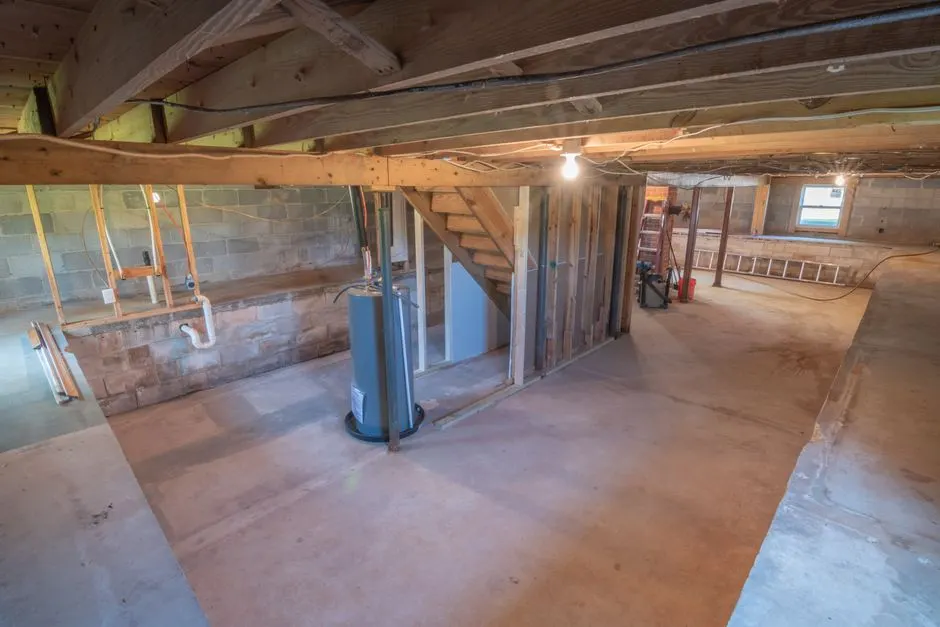
Empty basement with exposed beams and plumbing pipes, ideal for renovation.
Licensed Licensed & Bonded
Fully Insured Insured & Bonded
24/7 Emergency Same-Day Response
Warranty Backed Workmanship Guaranteed

What's Included in Structural Drying

Our drying work covers inspection, water extraction where needed, moisture mapping, equipment placement, and follow-up checks. We identify materials that can be dried in place and flag those requiring removal because of damage or contamination. Reconstruction, plumbing repairs, and extensive contents handling are separate tasks, but we explain how they fit into the recovery sequence so drying does not stop at the visible surface.

Moisture Assessment

We inspect affected rooms and record readings in likely wet materials, including lower walls, framing, and floors. Thermal imaging can help us spot areas needing closer testing. The assessment becomes the baseline for later checks and helps focus equipment on the locations that need it.
Water Extraction

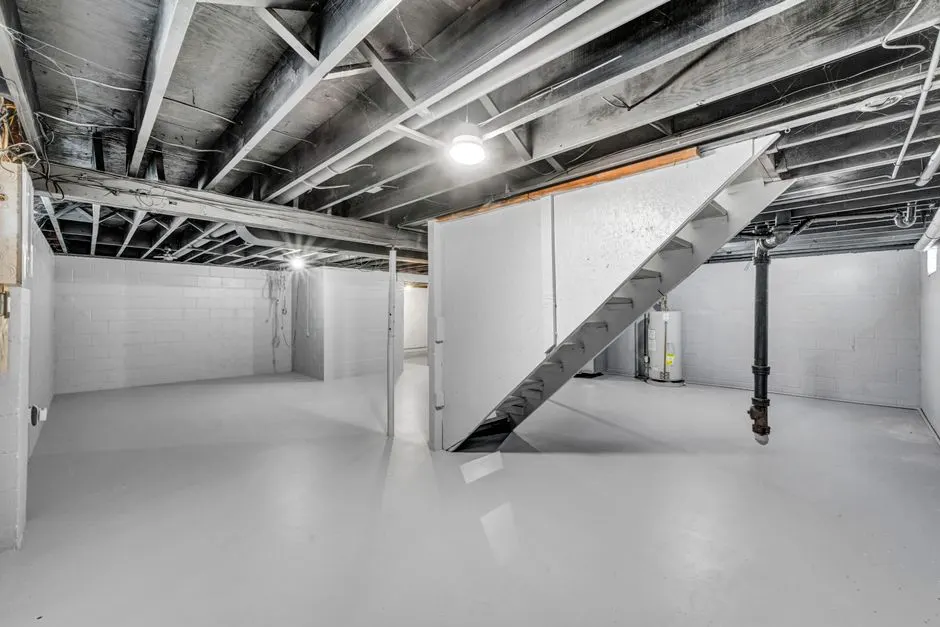
When standing water remains, we use pumps, truck-mounted extraction, or wet/dry vacuums suited to the depth and access. Removing pooled water reduces continued exposure and allows us to inspect surfaces that were covered. The approach changes if the water is contaminated.

Drying Equipment Setup

We position air movers to circulate air across wet surfaces and commercial dehumidifiers to remove moisture from the room. Equipment placement considers material type, room layout, and safe access. We explain what will run continuously and what should remain clear during the setup.

Progress Checks

Our technicians revisit the moisture map and compare readings as drying advances. If a section is not responding, we adjust airflow or recommend access to concealed materials. You receive a direct update on progress and what remains before equipment can be removed.

Contamination Awareness

We identify water that may contain sewage or other contaminants before deciding how to handle materials. Appropriate containment, protective equipment, and cleaning methods are selected for the conditions. Materials that cannot be safely restored are not treated as ordinary wet building components.

Basement Structural Drying in Wisconsin


Basement Structural Drying in Wisconsin is a water-damage restoration service that removes trapped moisture from framing, walls, floors, and other building materials after a leak or flood. We start with extraction, identify wet areas with moisture meters and thermal imaging cameras, then position air movers and commercial dehumidifiers to pull moisture out in a controlled way. The goal is not simply to make surfaces feel dry; it is to reach documented drying targets and reduce the conditions that support mold growth after water damage.

Wisconsin basements face spring snowmelt, summer storms, frozen or burst pipes in winter, and damp conditions that can keep wet basement walls from drying on their own. A sump pump overflow or sewer backup needs a different response from clean water seepage, especially if carpet pad or drywall absorbed contaminated water. Our Wisconsin water-damaged basement drying service follows the source and category of water, including how professionals dry basement walls and framing in Wisconsin without overlooking cavities or subfloor layers.

Our Drying Process

Basement Structural Drying in Wisconsin follows a measured sequence, from stopping active water entry to verifying the structure is dry. We explain the next step before equipment moves into your home, protect walkways, and keep access to essential areas wherever possible. The schedule depends on the water category, material, and readings, with daily checks guiding the work.

01

Schedule

Call or book online — a real human picks up and confirms a 2-hour arrival window.

02

Diagnose

Licensed tech inspects on-site, then walks you through the cause and your options.

03

Fix

The job is completed to code and done right the first time — no shortcuts, no surprises.

04

Guarantee

Every job backed by a written workmanship warranty — and we stand behind it.

Equipment and Drying Methods

Tools & Equipment

Moisture meters

We use moisture meters to compare readings in framing, drywall, and other materials over time. The measurements help show whether drying is progressing below the surface and where equipment should be adjusted.

Thermal imaging cameras

Thermal imaging cameras help locate temperature patterns that can point to areas requiring closer moisture testing. We verify suspected wet areas with direct measurements rather than treating an image as a moisture reading.

Air movers and commercial dehumidifiers

Air movers circulate air over wet materials while commercial dehumidifiers remove evaporated moisture from the basement air. We position both based on the room, material, and readings, then adjust them as conditions change.

Submersible water pumps

Submersible water pumps remove pooled water from low areas and sump pits when access and water depth make pumping appropriate. Extraction clears the way for inspection and prevents standing water from continuing to soak surrounding materials.

HEPA air scrubbers

HEPA air scrubbers help manage airborne particles during suitable cleanup and material-removal work. We select and operate them according to site conditions, particularly when disturbed debris or contamination requires additional control.

Methods & Standards

Moisture mapping and verification

We establish a set of test locations at the beginning, note the affected materials, and repeat measurements during drying. This gives us a practical record of change and helps identify a stubborn wet section. Equipment removal follows measured progress and material-specific targets, not a fixed number of days.

Balanced evaporation and dehumidification

Air movement encourages moisture to leave wet surfaces, while dehumidification captures water from the air. We balance equipment so evaporation does not overwhelm the basement's ability to remove moisture. Readings and room conditions guide changes in placement, airflow, and equipment quantity.

Contamination-based material handling

We determine whether water came from a clean plumbing supply, storm intrusion, or sewage before deciding how to clean and dry. Sewage-contaminated porous materials are handled differently from sound framing exposed to clean water. Cleaning products are used according to EPA-registered disinfectant label requirements where applicable.

IICRC-guided structural drying

Our approach draws on IICRC Water Damage Restoration Technician and Applied Structural Drying principles for assessment, drying, and verification. These practices help organize the work around water category, material response, and documented readings, while the actual setup remains specific to your basement.

When Structural Drying Is Needed

01

A sump pump fails during a November rain-and-snow mix, leaving water against finished basement walls.

What we do: We remove pooled water, check the lower wall and flooring edges, and place air movers where readings show moisture. A dehumidifier manages water released into the room. We also check whether the pump issue is resolved so fresh inflow does not restart the damage.

→ You get a mapped drying plan, controlled equipment placement, and readings that show whether the walls and floor are improving.

02

A supply pipe bursts overnight and leaves framing and subfloor damp beneath a utility room.

What we do: We extract water, inspect the affected floor assembly, and test the framing and accessible subfloor edges. Drying basement framing and subfloor after water damage Wisconsin homeowners face requires airflow matched to access, not simply a fan in the doorway.

→ Moisture is tracked in the hidden areas most likely to hold water, helping you make repair decisions based on observed conditions.

03

Spring runoff enters through a foundation joint and leaves wet concrete and stored belongings.

What we do: We remove water and debris, distinguish the damp masonry from wet contents, and monitor the wall as the basement dries. Air movement and dehumidification are adjusted for cool concrete, which releases moisture more slowly than many exposed surfaces.

→ The basement is cleared for drying, and you receive a clear account of what can remain, what needs further work, and what the readings show.

04

A sewer backup reaches carpet and lower drywall before the source is cleared.

What we do: We isolate the affected area, remove contaminated porous materials as needed, and clean retained surfaces with products used according to label requirements. Only materials suitable for retention move into the structural drying phase, with moisture checks guiding equipment changes.

→ Contamination and moisture are addressed as separate risks, reducing the chance of spreading residue while the retained structure dries.

How Drying Works Across Wisconsin

Wisconsin homes see sharp seasonal changes, and basements respond to them. In November, rain, wet snow, and freezing nights can combine with a pipe leak or sump pump failure; spring snowmelt and summer storms bring different forms of water entry. Cold concrete and masonry release moisture more slowly, while finished walls can conceal wet insulation or framing. Our crew accounts for indoor temperature, humidity, material type, and the water source before setting equipment. For structural drying for flooded basements in Wisconsin, we log readings and adjust the plan as the building responds. If a loss involves plumbing work, repairs must follow Wisconsin plumbing code requirements; contractors must also meet applicable Wisconsin Department of Safety and Professional Services contractor requirements. We focus our drying work on the structure, coordinate access around the property, and explain when a separate plumbing or rebuilding trade is needed. That keeps the drying phase tied to the actual condition of your basement rather than a one-size schedule.

Neighborhoods We Serve

  • Older masonry basements

    Masonry can retain water after surface extraction, especially around joints and lower wall sections. We take repeat readings and allow the material response to guide airflow and equipment duration.

  • Finished lower levels

    Finished walls, carpet, and built-in storage can hide wet framing or floor edges. We check accessible seams and discuss targeted openings when readings show moisture behind the visible finish.

  • Utility and sump areas

    Water around a sump pit or mechanical equipment can affect nearby storage and wall framing. We keep access to essential equipment in mind while placing pumps, air movers, and dehumidifiers.

  • Shared building basements

    Common laundry rooms and storage areas need clear routes around equipment and wet zones. We organize the setup to preserve safe access and communicate which areas should remain undisturbed.

Local Conditions We Plan For

  • Freeze-thaw cycles and cold basement surfaces

    Cold masonry can slow evaporation, and temperature differences can increase condensation risk. We monitor conditions and adjust equipment placement so moisture is removed from the room rather than allowed to collect on cooler surfaces.

  • Spring snowmelt and heavy rain

    Runoff can enter through foundation joints or overwhelm a sump system, affecting broad floor areas. We prioritize extraction and identify whether water continues entering before relying on a drying setup.

  • Older plumbing and finished basement assemblies

    A hidden pipe leak can travel behind finishes and beneath flooring before it becomes visible. We test beyond the obvious wet spot and explain where additional access is useful if readings remain elevated.

Sump Overflow Into Finished Room

Before

A failed sump pump left several inches of water over part of a finished basement. The carpet and lower drywall were wet, and moisture readings showed water along the framing beyond the visible puddle. Stored items blocked access to one wall, so the affected area was larger than it first appeared.

After

We extracted the pooled water, cleared access, and set air movers with dehumidification. Follow-up checks over four days showed falling readings across the accessible framing and wall edges. Unsalvageable finishes were separated from materials suitable for drying, giving the homeowner a clearer repair plan.

Maintenance: Test the sump pump seasonally and keep the discharge route clear. During heavy rain, avoid storing boxes directly against basement walls so water entry is easier to spot and equipment can reach the affected area.

Before

A leaking pipe wet the utility-room floor and the subfloor edge under adjacent flooring. The surface looked mostly dry after initial cleanup, but moisture remained at the base of the wall and around the pipe penetration. The homeowner needed to know whether the concealed framing had also been affected.

After

We mapped the wet areas, extracted remaining water, and placed targeted airflow near the wall and floor edge. Readings were checked daily, and the setup ran for three days before the affected materials met the drying goals. The verified measurements helped separate drying work from any plumbing repair.

Maintenance: Keep access around shutoff valves and inspect pipe penetrations during routine home checks. In freezing weather, watch for unusual changes in water pressure or dampness near exterior walls and utility spaces.

Before

After a storm, water seeped through a foundation joint and left a broad damp band on the basement masonry. There was no deep standing water, but the wall stayed cool and wet, with humidity building in the room. A quick fan had moved air without resolving the wall moisture.

After

We checked several masonry points, removed surface water, and used controlled airflow with dehumidification. Repeat readings over five days showed the wall drying across the tested area. The homeowner also had a documented view of the affected joint to discuss separate water-entry repairs.

Maintenance: Keep gutters and downspouts clear and watch for recurring dampness after storms. If the same foundation section becomes wet again, address the source of entry as well as drying the interior surface.

Problems Solved After Basement Flooding

Basement flooding leaves more than puddles: moisture can travel behind finishes, raise indoor humidity, and keep framing wet after the floor appears clear. We trace the affected area, remove water, and monitor materials until readings support a dry result. Early attention is especially useful after winter pipe failures and spring storm inflow.

Problem

Wet basement walls remain damp after the visible water is gone

Moisture trapped behind drywall or along masonry can linger, damage finishes, and create conditions that support mold growth after water damage.

Our Fix

We test the wall at multiple points and identify whether water is in the finish, framing, or masonry. Our crew selects drying equipment and access based on those readings, then checks progress rather than assuming the wall dried when the floor did. If the source is ongoing seepage, we explain that it must be addressed alongside drying.

Problem

Sump pump overflow soaked stored items and lower framing

Water can spread beneath boxes, carpet pad, and wall edges, leaving concealed pockets that continue releasing moisture into a closed basement.

Our Fix

We extract standing water, inspect exposed edges, and map moisture around the overflow path. We move equipment to reach wet framing and floor sections, while you identify belongings that need separate handling. If the pump has failed, stopping repeat inflow is part of protecting the drying result.

Problem

Sewer backup left contaminated water in porous materials

Sewage contamination can make carpet pad, drywall, and other porous materials unsafe to retain, while residue can spread during ordinary cleanup.

Our Fix

We treat a sewer backup as a contamination problem first, isolating affected areas and using suitable protective procedures. Our team removes materials that cannot be safely restored, cleans retained surfaces according to product-label directions, and then dries approved structural materials with monitored equipment.

Problem

Burst pipe wet the subfloor beneath finished flooring

Water trapped below flooring can swell materials, loosen finishes, and stay hidden even after surface extraction appears complete.

Our Fix

We inspect the floor assembly, test accessible edges, and use targeted airflow where the material can be dried in place. If readings indicate trapped moisture that airflow cannot reach, we explain the access or removal needed. Monitoring confirms whether the subfloor is responding before the setup ends.

What Proper Drying Delivers

What Proper Drying Delivers

Drying the structure promptly helps you limit avoidable tear-out, protect sound materials, and make informed repair decisions. We set equipment based on measured conditions, then recheck the same locations as drying progresses. You get clear updates, a safer work area, and a record of the moisture trend instead of a guess based on surface appearance.

  • Find Moisture You Cannot See

    Water can wick behind baseboards or beneath flooring after a brief flood. We check affected surfaces and likely hidden pathways with moisture meters, documenting readings in multiple locations. That lets us distinguish a damp edge from a saturated wall section and direct airflow where it can do useful work.

  • Protect Salvageable Materials

    Prompt extraction and controlled drying can preserve some wood framing, concrete, and masonry that remain structurally sound. We assess each material and water source before deciding what stays. For example, drying basement framing and subfloor after water damage Wisconsin homes experience requires checking both the exposed face and concealed edges.

  • Reduce Mold Conditions

    Standing water and high indoor humidity create conditions that support mold growth after water damage. We remove water, manage humidity, and keep air moving across wet materials; commercial dehumidifiers collect moisture instead of letting it linger in the basement. Contaminated materials receive appropriate handling rather than ordinary drying alone.

  • Know When Drying Is Done

    Equipment is not removed just because a room feels cooler or the floor looks dry. We compare follow-up readings with the initial moisture map and relevant dry standards for the material. You receive a practical explanation of the results and any remaining repair needs before the drying setup is taken down.

Training and Work Standards

Licensed & Certified

  • Water Damage Restoration Technician — issued by Institute of Inspection, Cleaning and Restoration Certification
  • Applied Structural Drying — issued by Institute of Inspection, Cleaning and Restoration Certification
  • Applied Microbial Remediation Technician — issued by Institute of Inspection, Cleaning and Restoration Certification
  • OSHA Hazard Communication Standard — issued by Occupational Safety and Health Administration

Verified Reviews

Customer feedback ★★★★★4.9

The crew showed us the moisture readings along the basement wall and explained why the dehumidifier needed to keep running. They checked the same spots again rather than calling the room dry by appearance. We knew what was happening and what needed repair afterward.

Customer feedback ★★★★★5.0

After water reached our storage area, the technicians separated the cleanup from the drying work and kept a clear path through the basement. They checked the framing and floor edges during the job, then reviewed the results before removing equipment.

Customer feedback ★★★★★4.8

A pipe leak left the lower wall damp even after we had picked up the visible water. The team tested several points, set targeted air movement, and returned with the meter. Their explanation made it clear why the drying process took longer than one day.

Training and Field Judgment

Our technicians approach each basement as a building system: water moves through joints, cavities, insulation, and floor layers, not just across the visible surface. We use recognized water-restoration training, including IICRC Water Damage Restoration Technician (WRT) and IICRC Applied Structural Drying (ASD) principles, to guide inspection, equipment placement, and monitoring. For contaminated losses, IICRC Applied Microbial Remediation Technician (AMRT) practices inform containment and material handling. We also follow OSHA Hazard Communication Standard procedures and OSHA personal protective equipment requirements when site conditions call for them.

  • We map initial moisture readings by material and location, then revisit those points to judge progress rather than relying on a dry-to-touch surface.
  • Our drying plans account for concrete and masonry, wood framing, drywall, and flooring because each material releases moisture at a different rate.
  • Technicians distinguish clean-water leaks from sewer backup and sewage contamination before deciding which porous items can be safely retained.
  • We use air movement and dehumidification together, adjusting airflow when readings show a concealed wall or floor section is lagging.
  • Our team explains equipment operation and access needs, so you know which circuits, doors, and basement paths must remain clear.
Get Started Today
Training and Field Judgment

Frequently Asked Questions

Real answers to the questions we hear most often from local homeowners and property managers.

What is Basement Structural Drying in Wisconsin?
Basement Structural Drying in Wisconsin removes trapped moisture from building materials after flooding, plumbing leaks, or water intrusion. We extract standing water, assess affected materials, and use air movers and dehumidifiers while tracking readings. The process addresses framing, walls, and floor layers as well as visible puddles. Water source matters: sewage-contaminated porous materials require different handling from materials exposed to a clean supply-line leak.
How do professionals know when basement structures are dry?
We verify drying by comparing repeat moisture readings with the initial map and appropriate targets for each material. A dry-looking wall can still hold moisture behind the surface, so we test multiple points and use thermal imaging to guide inspection where useful. Readings are commonly checked daily during an active setup. Equipment comes out after the measurements support completion, not simply because the room feels comfortable.
Can structural drying save water-damaged basement materials?
Yes, drying can preserve some sound materials, especially framing, concrete, or masonry, when the water is addressed promptly and contamination is limited. We inspect the material, exposure time, and water category before recommending retention. Saturated drywall, carpet and carpet pad, or sewage-contaminated porous materials may need removal. Structural drying for flooded basements in Wisconsin focuses on a safe, documented decision rather than saving every item at any cost.
How long does flooded-basement structural drying take?
Many residential drying setups run about three to five days, while extensive flooding or dense materials can take a week or longer. Extraction may take one to several hours before drying equipment is installed. We check moisture readings during the job and adjust the schedule to actual progress. A burst pipe confined to one room dries differently from a sump pump overflow that wets several walls and floor layers.

Related Services

Basement Water Removal

Standing water must be removed before structural drying can work efficiently. We extract pooled water, address the immediate source when possible, and then assess what remains wet. If water has reached wall cavities or flooring layers, drying continues after the visible water is gone.

View Basement Water Removal

Emergency Basement Water Extraction

For an active basement flood, extraction reduces the time water sits against framing and finishes. We select pumps or extractors for the water depth and access, then map remaining moisture. The extraction phase prepares your basement for a controlled drying setup.

View Emergency Basement Water Extraction

Basement Flood Cleanup

Flood cleanup removes debris and addresses affected surfaces before or during structural drying. We separate cleanup needs from drying needs, especially after stormwater or a sewer backup. That helps prevent contaminated residue from being carried into clean areas as equipment is installed.

View Basement Flood Cleanup

Basement Flood Damage Restoration

Drying stabilizes wet materials; restoration addresses repairs after the structure reaches appropriate moisture levels. We identify areas that need rebuilding and coordinate the transition from drying to repair work. That sequence helps avoid closing walls while moisture remains trapped inside.

View Basement Flood Damage Restoration

Basement Drying and Dehumidification

This service manages moisture in both building materials and basement air. We place dehumidifiers and air movers based on room conditions, then monitor readings as humidity falls. It complements structural drying when wet surfaces continue releasing moisture into the room.

View Basement Drying and Dehumidification

Sump Pump Failure Cleanup

A failed sump pump can leave water across the floor and soak lower wall sections. We remove the water, assess the pump-related loss, and dry affected materials. If the pump still cannot operate, stopping repeat inflow is essential before drying can hold.

View Sump Pump Failure Cleanup

Start Basement Structural Drying in Wisconsin

Wet framing and hidden moisture need prompt attention. Call our team to discuss the water source and affected areas; we will explain the first drying steps and provide upfront pricing before work proceeds.

Call Now Call for Help

Contact Our Referral Team

Tell us what happened and where in Wisconsin you need help; call +1 866-896-8166 any time, day or night. We route your call to an independent company for basement water extraction, cleanup, or drying. Share the water source, approximate depth, and any sewage or electrical concerns so the responder can prepare for your situation.

Or call us right now at +18668968166 — we answer.

Wisconsin Basement Water Removal Pros


  • Phone

    +18668968166
  • Address

    Wisconsin

  • Hours

    Mon–Fri: 7AM – 7PM
    Sat: 8AM – 4PM
    Sun: Emergency Only
    24/7 Emergency Available

Call +18668968166 Get Quote
Call Quote