
Residential Basement Water Removal in Janesville
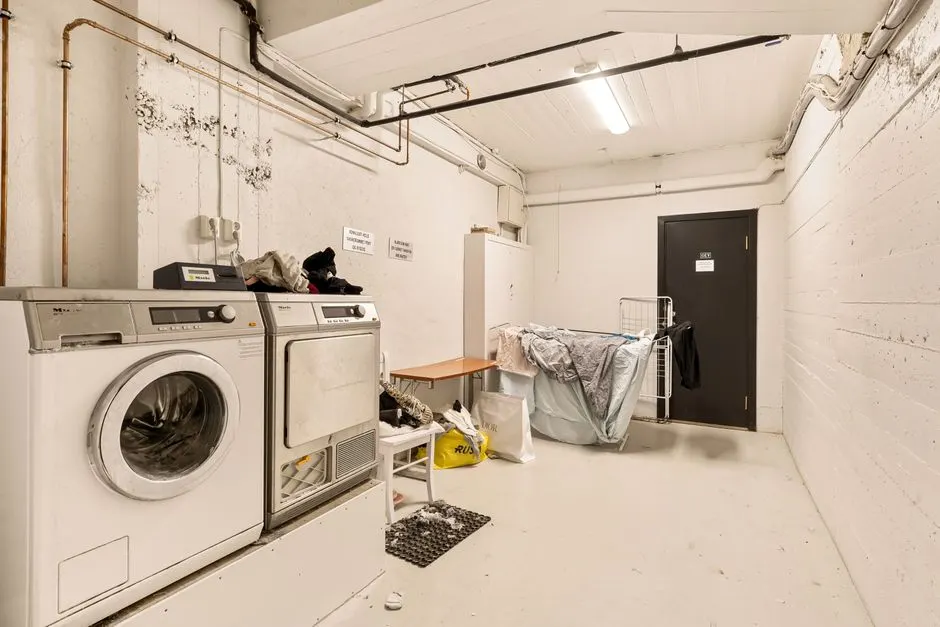
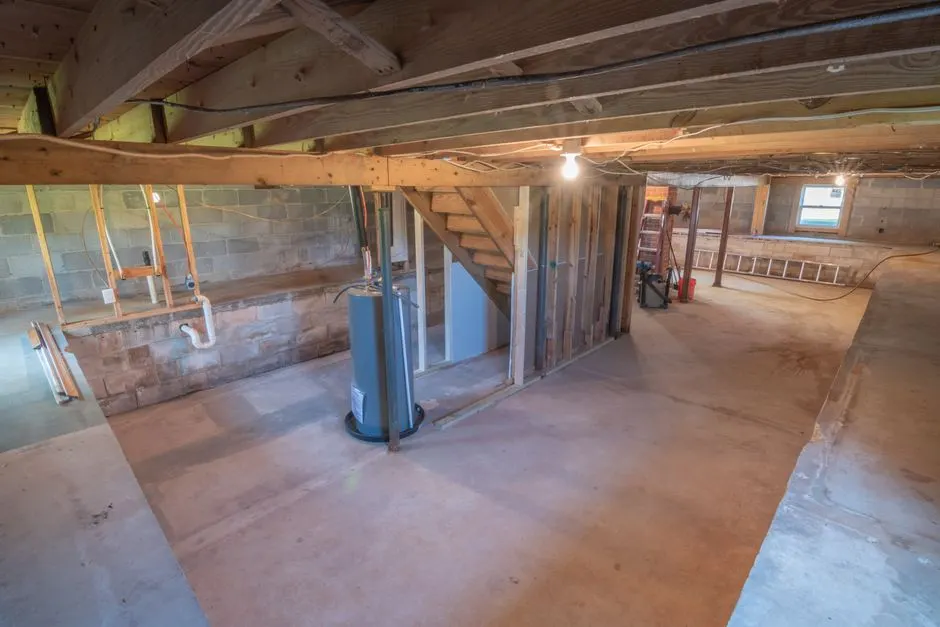
Janesville homes range from older properties with established basements to finished lower levels used as family rooms, laundry areas, and storage. A leaking pipe can soak carpet before you notice it; a sump pump failure can affect several areas at once. We provide Basement Water Removal in Janesville, Wisconsin, with attention to the materials in your home and the source of the water. Our crew checks whether drywall, carpet and carpet pad, or stored belongings need removal, then dries retained structure with equipment placed for the room. We work around household access and keep you informed about which areas should stay clear during extraction and drying. If water came from a sewer backup, we isolate the affected space and use a separate cleanup approach.
- Home basement water extraction — We extract water from Janesville homes after pipe leaks, foundation seepage, or pump failure. We check the floor, lower walls, and utility areas, then identify which materials need attention. You will know what is being removed and what is being dried before the work moves into the next stage.
- Finished basement material assessment — Finished rooms need careful decisions because water can remain behind trim, drywall, and carpet pad. In Janesville, we inspect the affected edges and use moisture readings to decide what can be dried. We protect unaffected areas and keep the route for equipment clear through your home.
- Sump pump overflow cleanup — When a sump pit overflows, we remove standing water and inspect the nearby floor and lower wall areas. We ask whether the pump lost power, stopped working, or could not keep up with inflow. That helps you separate the cleanup from any pump or discharge repair needed afterward.
- Residential sewage cleanup — Sewage in a home basement requires restricted access and controlled removal. We handle contaminated water and porous materials differently from a clean pipe leak, then clean suitable hard surfaces using appropriate disinfectants. We explain which areas should remain off-limits during cleanup and drying.