
Logo
Get Estimate

Sump Pump Failure Cleanup in Wisconsin

We remove flooded basement water and dry affected materials


Sump Pump Failure Cleanup in Wisconsin gets standing water out of your basement and starts targeted drying before damp materials deteriorate. We help homeowners and property managers facing a stopped pump, overflow, or storm-driven basement flooding. Our crew checks where water traveled, extracts it, and measures moisture in affected surfaces so you know what needs drying, cleaning, or removal.

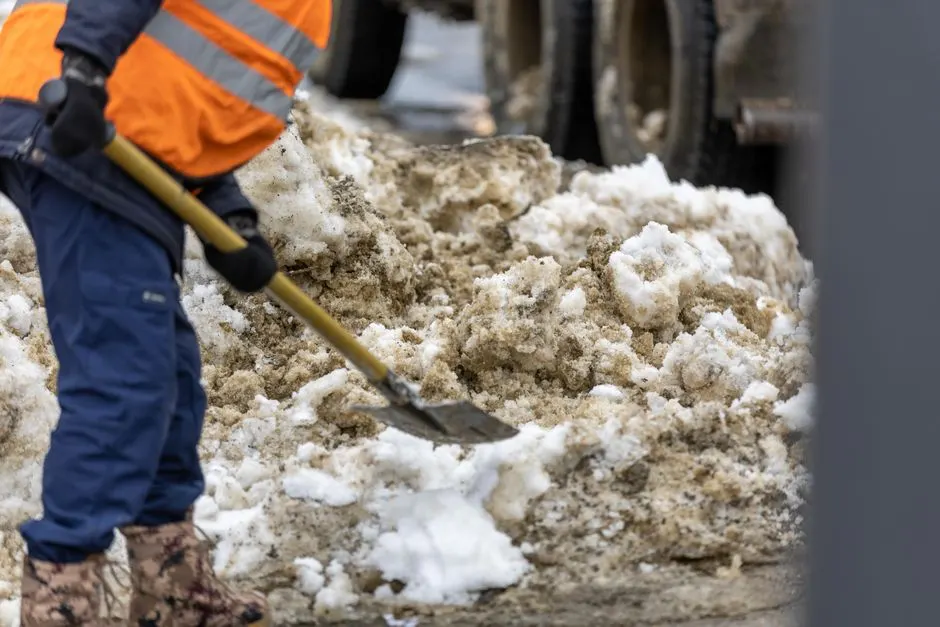
A worker dressed in high visibility clothing shoveling snow during winter maintenance.
Licensed Licensed & Bonded
Fully Insured Insured & Bonded
24/7 Emergency Same-Day Response
Warranty Backed Workmanship Guaranteed

What Sump Pump Cleanup Includes

Sump pump failure cleanup covers water extraction, assessment of affected areas, cleaning of suitable surfaces, and drying with monitored equipment. We identify when water appears contaminated and handle materials accordingly. Pump replacement, electrical repair, and reconstruction are separate work, but we can explain which trade or repair follows the cleanup and provide the moisture documentation gathered during the job.

Water Source Assessment

We inspect the sump pit area, water path, and affected rooms to distinguish an overflow from groundwater seepage, a leaking pipe, or sewage backup. That first check guides the equipment, cleaning approach, and protective measures. We also record visible water levels and note concerns that need plumbing or electrical attention.
Standing Water Extraction

We remove pooled water with equipment matched to the depth and layout, then check edges, floor depressions, and accessible areas beneath movable items. Extraction reduces the water load before drying begins. Your technician explains what was removed and where residual moisture is likely to remain.

Surface Cleaning

Suitable hard surfaces receive cleaning based on the water source and material. We follow product directions for disinfectants and avoid treating sewage-contaminated porous materials as if they were clean-water surfaces. The crew explains which belongings or finishes can be cleaned and which require removal.

Drying and Monitoring

Air movers and commercial dehumidifiers support drying of affected floors, walls, and framing. We use moisture meters to check progress and adjust equipment placement when readings show damp areas remain. Follow-up checks help determine when the structure is ready for the next repair step.

Job Documentation

We record affected areas, observed materials, equipment placement, and moisture readings during the cleanup. This gives you a useful basis for repair planning and helps track drying progress. We also note visible signs of mold growth after water damage or foundation seepage that require further attention.

Sump Pump Failure Cleanup in Wisconsin


Sump Pump Failure Cleanup in Wisconsin is an emergency water-removal service that extracts basement water and dries affected building materials after a sump system stops or overflows. We first identify the water source and check whether the water is clean or contaminated, then remove standing water with suitable extraction equipment. Moisture meters help us map wet drywall, carpet and carpet pad, wood framing, and masonry. The goal is to stop ongoing water damage, document what is wet, and establish a drying plan rather than simply leave you with a clean-looking floor.

Wisconsin's freeze-thaw cycles, spring snowmelt, and heavy storms can push groundwater toward foundations or interrupt power just when a sump pump is needed. A stuck float, failed switch, blocked discharge line, or overwhelmed pit can leave several inches of water in a finished basement. For cleanup after sump pump failure Wisconsin residents need, we separate ordinary groundwater from a sewer backup before selecting equipment and disinfectants. If you are searching for Wisconsin basement cleanup when the sump pump stops working, early extraction helps protect stored belongings and limit moisture spread.

What Happens During Cleanup

Sump pump backup cleanup in Wisconsin follows a practical sequence: confirm the source, remove water, clean affected surfaces, and dry the structure. We explain each step as we work and keep you informed about readings and material decisions.

01

Schedule

Call or book online — a real human picks up and confirms a 2-hour arrival window.

02

Diagnose

Licensed tech inspects on-site, then walks you through the cause and your options.

03

Fix

The job is completed to code and done right the first time — no shortcuts, no surprises.

04

Guarantee

Every job backed by a written workmanship warranty — and we stand behind it.

Equipment and Drying Methods

Tools & Equipment

Truck-mounted water extractors

These units remove standing water across accessible basement floors and help clear broad areas after a sump overflow. We choose extraction tools based on water depth, hose access, and the room layout.

Submersible water pumps

We use submersible water pumps to lower deeper pooling or remove water from a sump area when safe access is available. Pumping bulk water first shortens the time needed for detailed floor extraction.

Moisture meters and thermal imaging cameras

Moisture meters quantify dampness in accessible materials, while thermal imaging cameras help locate temperature patterns that merit closer moisture checks. Together they guide equipment placement and follow-up.

Air movers and commercial dehumidifiers

Air movers direct circulation across wet surfaces; commercial dehumidifiers remove water vapor from the room. We position them to support drying without blocking safe access through your basement.

HEPA air scrubbers

When site conditions warrant, HEPA air scrubbers help manage airborne particles during removal and cleanup work. We select containment and filtration measures according to the materials and contamination concerns present.

Methods & Standards

Source-first water assessment

Before cleaning, we determine whether water came from groundwater, a sump overflow, a pipe, or sewer backup. That decision changes the protective equipment, cleaning products, and material handling. We keep clean-water and contamination procedures distinct instead of applying one approach to every basement.

IICRC-informed moisture mapping

We inspect affected rooms and take readings from wet materials to establish a drying baseline. Airflow and dehumidification are adjusted as readings change, with follow-up checks documenting progress. This approach helps prevent premature equipment removal when a surface looks dry but framing or wall edges remain damp.

Controlled cleaning and disinfection

We clean hard surfaces using products appropriate to the water source and material, following EPA-registered disinfectant label requirements where applicable. Porous materials exposed to sewage receive more restrictive handling. Our crew uses PPE and chemical handling practices that fit the site rather than relying on fragrance or appearance as proof of sanitation.

When Cleanup Is Needed

01

A pump stops during a November rain or snowmelt event, and water spreads across the basement floor.

What we do: We identify whether the pump has lost power, overflowed, or been overwhelmed, then extract pooled water and check the route it took through the room. We set drying equipment where readings show wet materials and flag an electrical or plumbing issue for the appropriate trade.

→ You get the water removed, a measured drying plan, and a clear handoff for correcting the pump or discharge problem.

02

A failed float leaves the sump running incorrectly, then the pit spills onto carpet and stored belongings.

What we do: We separate contents from wet carpet, inspect the pad and wall edges, and remove water with equipment suited to the space. After cleaning appropriate surfaces, we use air movers and dehumidification to dry exposed materials and document progress with readings.

→ Your basement is cleared for repair decisions, with wet materials identified instead of hidden beneath belongings or flooring.

03

A basement smells foul after a sump overflow, raising concern that the water includes sewage.

What we do: We treat the source question as urgent, isolate affected areas, and use personal protective equipment suited to the hazard. Our team removes contaminated porous materials where required, cleans appropriate hard surfaces, and follows product label requirements before drying.

→ You avoid treating contaminated items like clean groundwater and receive a safer, source-specific cleanup plan.

04

A winter discharge line freezes, the sump cannot move water, and dampness appears along the foundation wall.

What we do: We extract accumulated water and use moisture checks to map wet masonry, framing, and nearby finishes. We run drying equipment where needed and point out the frozen or blocked discharge concern for plumbing correction. The restoration work addresses the water already inside while the mechanical fault is repaired.

→ Water is removed and the affected wall area is monitored, while the cause receives attention before another thaw or storm.

How Cleanup Works Across Wisconsin

Sump pump backup cleanup in Wisconsin has to account for long cold periods, spring thaw, and storms that can load a sump system quickly. In November, rain followed by freezing temperatures can leave discharge lines vulnerable; during spring, snowmelt can keep groundwater pressure high for days. Older basements may have stone or concrete and masonry walls, while finished lower levels often conceal framing and insulation behind drywall. We adjust extraction access and drying plans to the construction, not just the visible puddle. Our technicians also consider Wisconsin plumbing code requirements when discussing pump and discharge concerns, while water restoration remains separate from plumbing repair. If you are dealing with emergency water removal after sump pump failure Wisconsin homeowners need, we remove standing water, document affected materials, and use follow-up readings to guide drying. Regional weather and building layouts vary, so the equipment plan is set on site.

Neighborhoods We Serve

  • Older urban basements

    Tight stairways and low ceilings can limit equipment access, so we plan hose routes and moveable contents before extraction begins.

  • Newer subdivision homes

    Finished lower levels often include carpet, drywall, and storage rooms; we check wall edges and flooring transitions where water can travel unseen.

  • Rural-edge properties

    Longer discharge runs and changing groundwater conditions can affect sump performance, so we note the water path and flag mechanical concerns for repair.

Local Conditions We Plan For

  • Freeze-thaw cycles and frozen sump discharge lines

    A discharge line that cannot carry water away from the foundation can contribute to sump overflow. We remove the resulting basement water and identify the line concern for plumbing correction, while winter temperatures shape safe equipment placement and drying.

  • Spring snowmelt and sustained groundwater pressure

    Several days of melt can keep a sump cycling and reveal seepage at wall-floor joints. We check beyond the pit, map damp areas, and use extraction and dehumidification suited to the amount of water and the affected materials.

  • Heavy storms with local power interruptions

    A pump may stop during the same storm that increases water entering the pit. We ask about power and standing water before arrival, then prioritize safe extraction and note electrical hazards that require a qualified electrician.

Finished Basement After Overflow

Before

A failed float allowed water to spread across a finished basement, soaking carpet and the bottom of the drywall. Stored boxes blocked access to wall edges, and the homeowner could not tell whether the damp smell came from the pad or framing. The sump had stopped overflowing, but moisture remained across the room.

After

We removed standing water, cleared access to the wet perimeter, and assessed carpet, pad, and wall materials. Air movers and dehumidifiers ran while moisture readings tracked progress over several days. The homeowner received a record of affected areas and could arrange flooring and drywall repairs based on observed conditions.

Maintenance: After repair, test the pump by adding water to the pit according to its manufacturer's instructions. Keep the discharge route clear, check the float periodically, and move stored boxes off the floor so a future leak is easier to spot.

Before

Following a strong storm, water collected around the sump pit and reached nearby storage. The floor looked mostly dry after the homeowner removed visible water, but the wall base and items beside the pit remained damp. The pump was cycling, and the discharge outlet needed inspection.

After

Our crew extracted residual water from the floor and checked the nearby wall and stored-item zone with moisture meters. We cleaned appropriate hard surfaces and set drying equipment around the affected area. Follow-up readings showed which sections were ready for normal use and which still needed attention.

Maintenance: Have a plumber inspect the pump, float, check valve, and discharge route after the event. Keep the sump cover accessible, avoid storing paper goods beside the pit, and check the basement after major storms or a rapid thaw.

Before

A basement overflow carried an unpleasant odor, and water reached a carpeted room. The household was unsure whether the source was groundwater or a sewer backup, so they stopped moving belongings and kept the area closed. Porous flooring and lower wall materials were at risk.

After

We assessed the water source, separated the affected room, and used protective equipment appropriate to the conditions. Contaminated porous materials were handled for removal rather than treated as clean-water damage; suitable hard surfaces were cleaned. The remaining structure was dried and checked before repairs were planned.

Maintenance: Keep floor drains and the sump area accessible, and address recurring odors or backups promptly. If water returns, avoid contact until the source is assessed. A plumber should correct the underlying sewer or pump fault before the basement is put back into service.

Problems After a Sump Failure

A failed pump can leave water beneath carpet, inside wall edges, or around stored belongings long after the surface looks clear. Wisconsin basement cleanup when the sump pump stops working starts with extraction and a check of the affected materials. We focus on practical risks: lingering moisture, contamination, and damage that grows while the basement stays wet.

Problem

Water remains trapped under carpet and carpet pad

The surface may feel less wet while the pad stays saturated, holding moisture against the floor and producing persistent odor or damage.

Our Fix

We extract water from the carpeted area and inspect the pad, tack edges, and nearby wall base. If the water source or saturation makes the pad unsuitable to keep, we explain removal rather than masking the problem. We then dry the exposed floor and check it with moisture meters before the next flooring decision.

Problem

Sump overflow reaches finished walls and stored items

Water can wick into drywall and wood framing, while boxes and furniture block airflow and hide damp spots from view.

Our Fix

Our crew moves or separates accessible contents, maps the wet area, and checks lower drywall and framing. We set air movers to improve circulation and use dehumidification to pull moisture from the room. You receive a clear explanation of which materials can dry in place and which need removal.

Problem

Sewage contamination is mistaken for groundwater

Treating sewage-contaminated porous materials as ordinary floodwater can leave contamination in carpet pad, insulation, or other absorbent items.

Our Fix

We check for signs of sewer backup and adjust the work zone and protective measures when contamination is suspected. Porous materials that cannot be safely cleaned are removed, while suitable hard surfaces receive appropriate cleaning. We use OSHA personal protective equipment requirements and follow disinfectant label directions.

Problem

Basement walls stay damp after visible water is removed

Wet masonry or framing can keep indoor humidity elevated and delay repairs, even when the floor appears dry to the eye.

Our Fix

We take readings at affected wall sections and inspect for foundation water seepage or water paths around the sump area. Drying equipment is positioned to address the damp materials, and readings guide the follow-up. If water continues entering, we identify the source concern for a foundation or plumbing repair.

A Dry, Safer Basement

A Dry, Safer Basement

A failed pump can soak flooring, wall cavities, and stored items in a short time. We focus first on stopping the spread, then on measurable drying and appropriate cleaning so you can make informed decisions about repairs.

  • Water Out Quickly

    We use truck-mounted water extractors or submersible water pumps to remove standing water efficiently, then check low spots that a household wet/dry vacuum can miss. Removing water promptly reduces the time carpet, pad, and stored contents stay saturated. Your technician records the affected areas and shares the next drying steps.

  • Drying You Can Measure

    Moisture meters and thermal imaging cameras help locate damp materials behind visible surface staining. We place air movers and commercial dehumidifiers according to the wet-area layout, then take follow-up readings. You get a practical view of what has dried and where additional attention is still needed.

  • Safer Surface Cleaning

    When the water source is confirmed, we clean affected hard surfaces and apply disinfectants according to the situation and product directions. If sewage contamination is present, porous items such as carpet pad or damaged drywall need different handling than clean groundwater. That distinction keeps the cleanup appropriate to the actual hazard.

  • Clear Next Steps

    Our crew documents water levels, affected materials, and drying readings so you can plan repairs without guessing. We identify visible concerns such as wet basement walls or foundation water seepage and explain what belongs to cleanup versus pump or plumbing repair. You leave with a clear record and an action list.

Training and Work Standards

Licensed & Certified

  • Water Damage Restoration Technician (WRT) — issued by Institute of Inspection, Cleaning and Restoration Certification
  • Applied Structural Drying (ASD) — issued by Institute of Inspection, Cleaning and Restoration Certification
  • Applied Microbial Remediation Technician (AMRT) — issued by Institute of Inspection, Cleaning and Restoration Certification
  • OSHA Hazard Communication Standard — issued by Occupational Safety and Health Administration

Verified Reviews

Customer feedback Not published

A homeowner described a sump overflow that soaked a storage area and reached the carpet edge. The crew extracted the water, checked the lower wall, and explained why the carpet pad needed separate attention. Moisture readings gave the family a practical way to follow drying instead of relying on the room's appearance.

Customer feedback Not published

After a storm, a property owner called about water around a sump pit and a damp smell. The technicians removed pooled water, cleaned suitable hard surfaces, and identified a discharge issue for plumbing repair. The owner valued having cleanup and pump correction clearly separated.

Customer feedback Not published

A family facing a possible sewer backup wanted to know whether their basement flooring could be saved. The crew assessed the source, handled affected porous materials carefully, and explained the cleaning steps. Follow-up drying checks helped the family plan repairs with specific information about the wet areas.

Field Knowledge and Training

Sump pump failures call for more than fast extraction: the water source, building materials, and drying conditions all matter. Our technicians use local experience to identify how water moved through a basement and to build a measured drying plan. Training relevant to water restoration includes IICRC Water Damage Restoration Technician (WRT) principles, safe equipment use, and moisture documentation. We follow OSHA Hazard Communication Standard practices for chemical handling and OSHA personal protective equipment requirements when site conditions call for added protection.

  • We distinguish clean groundwater from sewer backup before choosing cleaning products, protective equipment, and material-handling steps.
  • Moisture readings help us track drywall, framing, and concrete rather than relying on touch or surface appearance alone.
  • Our crew uses thermal imaging cameras to investigate suspicious damp areas without opening every wall unnecessarily.
  • We account for cold-weather access, frozen discharge lines, and snowmelt conditions common during Wisconsin winters and spring thaw.
  • We explain when water restoration ends and pump, electrical, or plumbing repair should begin, keeping each trade's work clear.
Get Started Today
Field Knowledge and Training

Sump Pump Cleanup Questions

Real answers to the questions we hear most often from local homeowners and property managers.

Who provides Sump Pump Failure Cleanup in Wisconsin?
Wisconsin Basement Water Removal Pros provides Sump Pump Failure Cleanup in Wisconsin for flooded basements and sump overflows. Call +18668968166 for 24/7 response and tell us the approximate water depth, whether the pump has power, and whether the water smells like sewage. We extract standing water, assess affected materials, and set a drying plan. Pump replacement or electrical repairs are handled as separate trade work when needed.
What should I do if my sump pump fails and the basement floods?
If it is safe, keep people away from standing water and shut off electricity to the affected area only from a dry, safe location. Call for emergency water removal after sump pump failure Wisconsin service and report any sewage odor or visible electrical hazard. Do not enter water near energized equipment. We can extract water, check materials, and begin drying; a qualified electrician or plumber should address unsafe power or pump faults.
How quickly can sump pump backup cleanup begin?
Our emergency line is open 24/7, and we arrange response as soon as the call details and crew coverage allow. Share the water depth, location, access conditions, and whether the event followed a storm. Extraction can take one to several hours, while structural drying commonly takes several days. Starting promptly matters because soaked carpet pad, drywall, and framing hold moisture after visible water is gone.
Does cleanup after sump pump failure include drying and sanitizing?
Yes, cleanup can include water extraction, surface cleaning, appropriate disinfectant use, and monitored structural drying. We use moisture readings to guide air movers and dehumidifiers, then adjust equipment as materials dry. Cleaning products are applied according to EPA-registered disinfectant label requirements when applicable. Sewage-contaminated porous materials require more restrictive handling than clean groundwater, and affected items may need removal rather than treatment.

Related Water Services

Basement Water Removal

When a sump pump stops, basement water removal takes standing water out of the affected rooms and helps prevent further spread. We assess floor surfaces and low points, select extraction equipment, and document where water reached. That work creates a clean starting point for drying and repairs.

View Basement Water Removal

Emergency Basement Water Extraction

Emergency extraction is the first priority when water is actively pooling after pump failure. We use pumps or extractors suited to the depth and access, then check beneath movable items and along wall edges. Removing bulk water first makes later cleaning and drying more effective.

View Emergency Basement Water Extraction

Basement Flood Cleanup

A failed sump can flood more than the pump-room floor, soaking storage, finished flooring, and lower wall sections. Basement flood cleanup combines water removal with sorting, surface cleaning, and an assessment of wet materials. We explain what can be dried and what should be removed.

View Basement Flood Cleanup

Basement Flood Damage Restoration

After extraction and drying, flood damage restoration addresses the building materials and finishes affected by water. We document damage and coordinate the cleanup stages that prepare a basement for repair. Drywall, insulation, and flooring decisions depend on water exposure and contamination.

View Basement Flood Damage Restoration

Basement Drying and Dehumidification

Dehumidification removes moisture that remains after visible water is gone. We place commercial dehumidifiers and air movers to suit the room and affected materials, then track progress with moisture readings. This helps reduce high indoor humidity and supports controlled drying.

View Basement Drying and Dehumidification

Basement Structural Drying

Structural drying targets moisture held in framing, drywall edges, and masonry rather than just the floor surface. We map wet areas, direct airflow, and take follow-up readings. After a sump failure, this work helps identify whether concealed materials remain damp before equipment is removed.

View Basement Structural Drying

Call for Sump Pump Failure Cleanup

Standing water can spread into flooring and wall cavities while you wait. Our emergency line is open 24/7 for sump failures and basement flooding. Call +18668968166 now; tell us what happened and where the water is collecting.

Call Now Call for Cleanup

Contact Our Referral Team

Tell us what happened and where in Wisconsin you need help; call +1 866-896-8166 any time, day or night. We route your call to an independent company for basement water extraction, cleanup, or drying. Share the water source, approximate depth, and any sewage or electrical concerns so the responder can prepare for your situation.

Or call us right now at +18668968166 — we answer.

Wisconsin Basement Water Removal Pros


  • Phone

    +18668968166
  • Address

    Wisconsin

  • Hours

    Mon–Fri: 7AM – 7PM
    Sat: 8AM – 4PM
    Sun: Emergency Only
    24/7 Emergency Available

Call +18668968166 Get Quote
Call Quote