
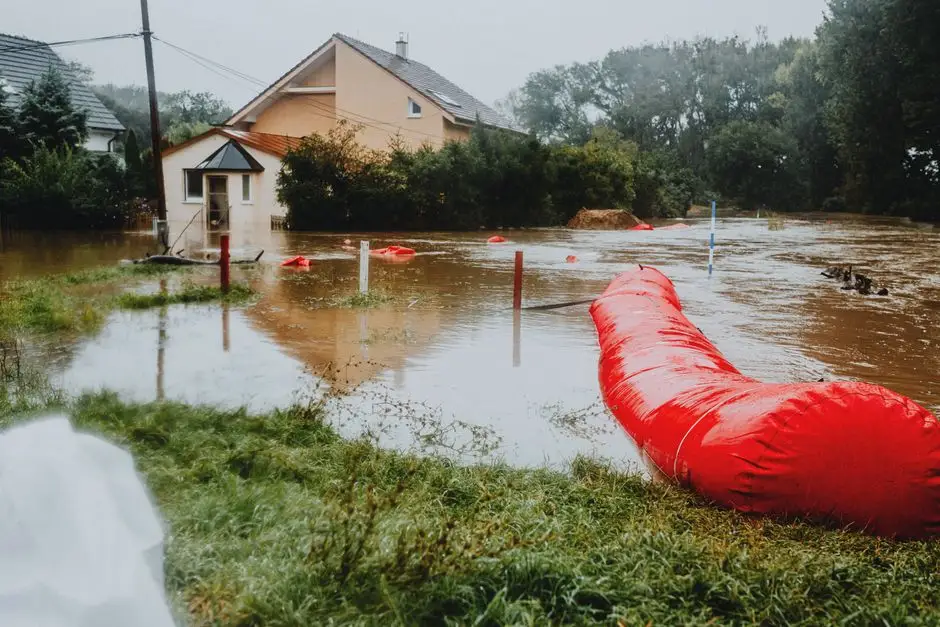
Sewage backs up into Wisconsin basements most often because a private sewer lateral is blocked or damaged, a municipal sewer is overloaded, or a backwater valve has failed or is missing. Heavy rain and snowmelt can push a stressed system past its capacity, sending wastewater through the lowest opening, often a basement floor drain.
The causes of sewage backup in Wisconsin basements is a category of plumbing and sewer failures that explains when wastewater enters a home and when professional removal and sanitizing are needed. We'll cover the warning signs, local weather pressures, safe first steps, and when to bring in a cleanup crew.
If sewage is already on the floor, avoid contact and keep people and pets out of the affected area. Our team handles Basement Water Removal in Wisconsin, including sewage incidents that need careful extraction and disinfection.
What causes sewage to back up into a Wisconsin basement?
The main causes of sewage backup in Wisconsin basements are clogs in the private lateral, tree-root intrusion, pipe collapse, municipal sewer surcharge, and faulty backwater protection. Wastewater follows the path of least resistance, so it often appears at a floor drain, toilet, or shower in the basement.
Your sewer lateral is the pipe that connects your home's plumbing to the public sewer main or, in some areas, a private septic system. Grease, wipes, paper towels, and other solids can accumulate inside it; roots can enter through joints and cracks. Older clay or cast-iron pipes can also shift, corrode, or collapse over time.
A municipal surcharge happens when a public sewer becomes overloaded and wastewater pressure rises in the shared system. During intense storms, runoff entering a combined sewer or leaking into sanitary lines can increase the volume beyond what the system can carry. The water can then push back toward homes connected to it.
Some homes have a backwater valve, a one-way device intended to stop public sewer flow from moving back into the building. Debris, poor maintenance, or a stuck valve can prevent it from closing. A valve does not clear a private blockage, so a backup still needs a proper diagnosis.
How Wisconsin sewer systems and weather contribute
Wisconsin basement sewer backups often follow heavy rain, rapid snowmelt, or a period when frozen ground sheds water instead of absorbing it. The weather does not create every blockage, but it can expose a weak point in a private pipe or public system that was already close to capacity.
In late fall and winter, rain on frozen soil and melting snow can move quickly toward storm drains and low areas. Spring thaw brings another surge as snowmelt reaches the ground and drainage network. Summer thunderstorms can produce several inches of rain in a short period, overwhelming local infrastructure and saturating soil around foundations.
Neighborhoods with older sewer lines, mature trees, and basements below street level face a different combination of risks than newer developments. In older parts of Milwaukee, for example, aging service connections and heavy storms can combine to create trouble; our Basement Water Removal in Milwaukee page reflects the local basement challenges homeowners call us about.
Not every rain-related basement flood is sewage. Clear water near a foundation may come from surface runoff, a sump pump problem, or groundwater pressure. Sewage often has a strong, unpleasant odor and may contain gray or dark water, but appearance alone is not a safe way to determine contamination. Treat unknown water as contaminated until the source is confirmed.
Municipal sewer surcharge and basement backups can happen even when your own plumbing fixtures were working normally beforehand. If several neighbors report a similar issue at the same time, that information can help your municipal sewer department investigate a public-side problem. It does not rule out a private lateral blockage.
How to identify a blocked sewer lateral before a backup
Blocked sewer lateral symptoms in a Wisconsin home often begin as slow drains, gurgling fixtures, or repeated wastewater odors before sewage reaches the basement. If more than one fixture acts up at once, the issue is more likely to be in a shared drain or sewer line than in one sink trap.
Notice when symptoms occur. A basement toilet that bubbles when an upstairs toilet flushes, or a floor drain that gurgles as a washing machine empties, can indicate restricted flow downstream. A single slow bathroom sink usually points to a localized clog instead.
Watch for these warning signs:
- Several drains slowing or backing up at the same time.
- Gurgling sounds from a floor drain, toilet, or tub when another fixture runs.
- Wastewater odor that returns after ordinary cleaning.
- Water appearing at the lowest drain during laundry, bathing, or toilet use.
- Repeated backups after rain, even when the sump pump is working.
These basement sewage intrusion warning signs deserve prompt attention, especially if they return. A plumbing professional can inspect the line with a sewer camera and identify roots, grease, a break, or a sagging section. A camera inspection often takes about 30 to 90 minutes, depending on access and the length of the line.
Do not keep running water to test the drain once wastewater starts rising. More water can force additional sewage into the basement and spread contamination across a larger area.
What to do after sewage backs up into a Wisconsin basement
After sewage backs up into a Wisconsin basement, keep everyone away from the water, stop using plumbing fixtures, and arrange for the blockage and contamination to be handled safely. Sewage can carry bacteria, viruses, and other pathogens; even a small amount can contaminate porous materials.
Take these steps without entering the affected area:
- Keep children, pets, and anyone with an open wound or reduced immunity away.
- Do not touch the water or operate electrical equipment where the floor is wet.
- If you can reach the main water shutoff without crossing contamination, stop water use in the home.
- Call your municipality's sewer or public works department if you suspect a public main problem; contact a plumber to assess your private lateral.
- Arrange sewage extraction and cleanup. Our Sewer Backup Cleanup in Wisconsin service addresses contaminated water removal and sanitizing after the source is controlled.
Never mix bleach with ammonia, acids, or other cleaners. That combination can release dangerous gases. Do not use a household wet vacuum, shop vacuum, or fan to move sewage or contaminated droplets around the basement.
Cleanup is more involved than pumping out visible water. Porous materials such as carpet, carpet pad, insulation, and some drywall often need removal when sewage has soaked them. Hard, nonporous surfaces need thorough cleaning and disinfection, followed by drying. The affected area should stay isolated until cleanup is complete.
Photograph damage from a safe location before cleanup begins if you can do so without entering contaminated water. Keep a record of the time you noticed the backup, recent rain, affected rooms, and any municipal service request number. These details can help with investigation and insurance documentation.
Common mistakes that make sewage damage worse
Common mistakes after a Wisconsin basement sewer backup include flushing toilets to test the line, pouring drain chemicals into a backed-up fixture, and treating sewage like ordinary floodwater. Each can expose you to contamination or make a blockage harder to address.
A chemical drain opener does not remove tree roots, repair a collapsed pipe, or resolve a sewer surcharge. It can also create a chemical hazard for whoever opens the line next. Avoid plunging a fixture if wastewater is already coming out of a floor drain or another fixture; pressure can move contaminated water into other parts of the home.
Do not assume a dry floor means the problem is over. A clog can shift temporarily, and wastewater can return during the next shower, laundry cycle, or storm. If you have had one backup, find the cause before putting the line back into regular use.
Another costly mistake is leaving wet porous materials in place. Sewage-soaked carpet and drywall can hold contamination and moisture after the surface looks dry. In a cool basement, drying can take several days without controlled air movement and dehumidification, and hidden dampness can persist behind baseboards or under flooring.
When to call a professional
Call a professional for Wisconsin basement sewage intrusion when wastewater enters the home, multiple fixtures back up together, or the problem returns after a temporary clearing. Sewage removal requires protective equipment, controlled disposal, cleaning, and disinfection-not just a pump.
Call your local sewer utility if the backup coincides with a major storm or neighbors report the same issue, and contact a plumber to inspect your private lateral and backwater valve. If sewage has reached finished flooring, stored belongings, or wall materials, our technicians at Wisconsin Basement Water Removal Pros can remove contaminated water and clean affected surfaces.
We identify how far the sewage spread, extract it with appropriate equipment, and clean and disinfect salvageable surfaces. We also help you understand what needs to dry or be removed so the basement can be used safely again. For a dedicated service, our Basement Sewage Removal and Cleanup in Wisconsin work focuses on extraction and sanitizing after a sewer event.
There is no single cleanup price for every backup: the affected area, water depth, material removal, and contamination level all matter. We explain the work and pricing before cleanup begins, then focus on stopping the spread and returning the space to a dry, clean condition.
Frequently Asked Questions
What causes sewage to back up into Wisconsin basements?
Most backups come from a blocked or damaged private sewer lateral, an overloaded public sewer, or a failed backwater valve. Heavy rain and fast snowmelt can increase system flow and trigger a backup, especially where lines are old or already restricted. Multiple slow drains and gurgling fixtures are common early clues.
Can a city sewer backup flood a private basement?
Yes. A surcharge in a municipal sewer can push wastewater through a home's connected lateral and out through a basement floor drain or other low fixture. A working backwater valve can reduce that risk, but it cannot fix a private pipe blockage. Report suspected public sewer trouble to the local utility and have your lateral checked.
Is sewage from a basement drain dangerous to touch?
Yes. Sewage can contain disease-causing microorganisms, so do not touch it with bare skin or let children and pets near it. Keep out of wet areas where electrical equipment may be present. Cleanup workers use protective equipment and appropriate disinfectants; household cleaners and a wet vacuum are not a safe substitute.
Who should I call after a basement sewer backup in Wisconsin?
Call your municipal sewer department if a public main may be involved, a plumber to inspect the private lateral, and a sewage cleanup company to remove contaminated water. If wastewater is in the basement, stop using plumbing fixtures and keep people out. Call promptly; standing sewage should not be left in place while you wait for the next storm.
Can heavy rainfall cause a basement sewer backup in Wisconsin?
Yes. Intense rainfall can overload a sewer system or drive infiltration into older lines, while saturated or frozen ground can send runoff rapidly toward drains. Heavy rain does not prove the city main caused your backup; a blocked private lateral can produce similar symptoms. A sewer inspection and utility report help distinguish the source.
Get help with Basement Water Removal in Wisconsin
If sewage has reached your basement, keep clear of the water and call Wisconsin Basement Water Removal Pros for help with safe extraction and cleanup. Call +1 866-896-8166 to discuss the next step.