
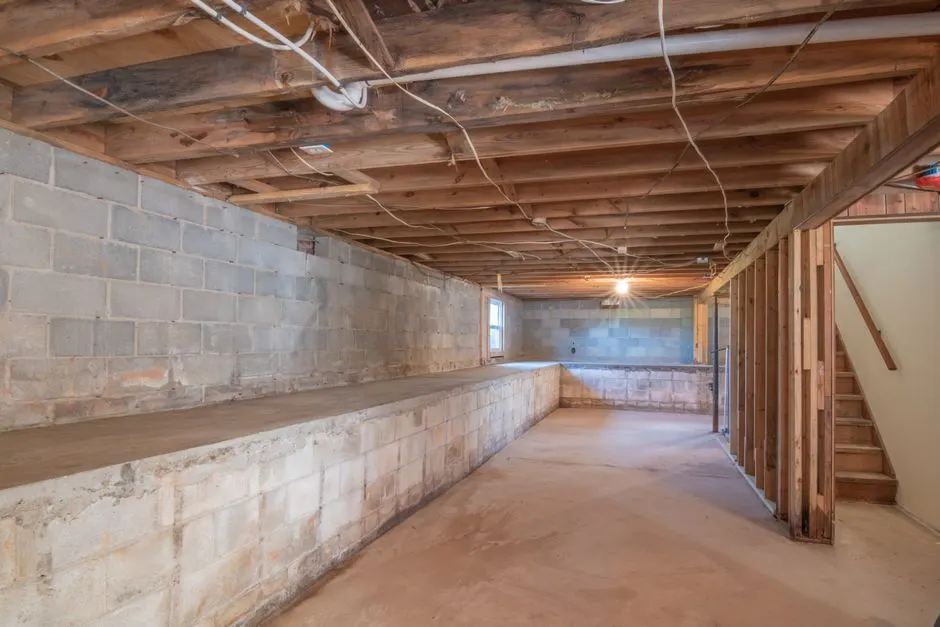
A sump pump overflowing in Milwaukee usually means water is entering the pit faster than the pump can remove it, or the pump cannot discharge water through its outlet. The most common causes are a blocked or frozen discharge line, a failed float switch, a power interruption, a damaged pump, or a sudden rise in groundwater during heavy rain or thaw. The rising water is the immediate problem; finding why it is rising is how you stop the next overflow.
We'll explain the checks you can make safely, how Milwaukee weather affects sump systems, what not to do, and when water in the basement calls for professional extraction. A sump pump overflow cleanup in Milwaukee starts with controlling the source, then removing water and drying affected materials before dampness settles in.
Why is my sump pump overflowing in Milwaukee, Wisconsin?
A sump pump overflowing in Milwaukee, Wisconsin, most often results from excessive water inflow, a pump that has lost capacity, or an outlet that cannot carry water away from the house. In older neighborhoods, a sudden downpour can load a sump pit quickly, while a clogged screen or frozen exterior pipe can stop an otherwise functioning pump from keeping up.
A sump pump overflowing in Milwaukee is a basement drainage failure that needs prompt water removal when the pit spills onto the floor or the pump cannot restore a safe water level. The pump is only one part of the system: the float, check valve, discharge pipe, power supply, and route away from the foundation all have to work together.
Start by noticing what the pump is doing. A motor that runs continuously while the water level stays high points toward an outlet restriction, worn pump, or inflow greater than its rated capacity. A pump that stays silent as the pit fills points more toward power, switch, wiring, or motor failure. If the breaker has tripped, do not keep resetting it; repeated trips can signal an electrical fault.
Our Basement Water Removal in Wisconsin work focuses on stopping active water damage, removing standing water, and addressing what the wet basement needs next. If the pit has already spilled, keep people and pets away from the wet area until you know the power source is safe.
What to check before the sump pit spills over
Milwaukee homeowners should check the power, float movement, pit debris, and discharge outlet first, because these are common causes of a sump pit filling faster than the pump can drain. Keep your hands out of standing water if the pump or nearby outlets are energized, and never step into a flooded basement to reach a breaker.
If the floor is dry and you can inspect the pump without contacting water or electrical parts, look for a float caught against the pit wall, a loose plug, or debris around the intake. Listen for the motor. A humming sound without water leaving the discharge suggests a jammed impeller, air lock, damaged pump, or blocked pipe. A working pump should lower the pit level after its float activates, though the exact time varies by pump and incoming flow.
- Check that the pump plug is seated and the breaker has not tripped; avoid repeated breaker resets.
- Look for a float that cannot rise freely or a pit intake blocked by sediment or debris.
- From outside, check whether the discharge outlet is crushed, obstructed, or buried under snow and leaves.
- Watch for water flowing back into the pit after the pump stops, which can indicate a check-valve problem.
A sump pump discharge line blockage is especially likely if you hear the motor running but see little or no water at the outdoor outlet. Our Sump Pump Overflow Cleanup in Wisconsin addresses water that has already escaped the pit; clearing a plumbing or drainage obstruction may also require a qualified pump or plumbing professional, depending on where the blockage sits.
Do not disconnect pipe sections or reach into a running pump to investigate. A technician can test the float cycle, check valve, pump output, and outlet route without turning a minor fault into a larger spill.
How heavy rain and Milwaukee seasons affect sump pumps
Heavy rain affects sump pumps in Milwaukee by saturating soil around foundations and raising groundwater, sometimes faster than a residential pump can discharge it. In November, rain followed by a freeze can leave exterior discharge outlets blocked by ice; spring snowmelt and summer cloudbursts create different surges, but each can overwhelm a system with a restricted outlet or undersized pump.
During sustained rain, the pump may cycle every few minutes. Frequent operation alone does not prove a failure, but a pit that keeps rising while the pump runs is a warning. Water that returns through the discharge pipe after each cycle can add avoidable volume back into the pit, which is why a properly working check valve matters.
Milwaukee basement flooding and sump pump problems often show up in older houses where foundation drainage, downspouts, and grading have changed over decades. A downspout that empties beside the foundation can send roof runoff toward the same soil the sump system is trying to relieve. Extend downspouts away from the house and keep gutters clear, especially before winter precipitation and spring thaw.
In areas with older housing stock and tight lots, Basement Water Removal in Milwaukee can be needed after a pit spills across a finished floor. Nearby homes in Wauwatosa can face similar rain and thaw cycles, but local grading and drainage conditions differ from one property to the next.
Consider backup protection if your pump runs often or your basement holds valuable equipment. A battery backup can continue pumping during an outage for a limited period based on battery capacity and inflow; it is not a substitute for a working primary pump or a clear discharge route. A second pump also needs a separate, reliable outlet path to help during a primary-pump failure.
Common mistakes that make sump pump flooding worse
Milwaukee homeowners can make sump pump flooding worse by repeatedly resetting a tripped breaker, unplugging a pump that is actively removing water, or assuming the motor noise means the system is working. Those choices can hide an electrical fault or let the pit overflow before you notice.
Do not pour chemicals into the pit to clear a suspected clog. Chemicals can damage components, create a hazard for anyone inspecting the pump, and do nothing to remove ice or a blockage farther down the line. Avoid forcing a float down or holding it up for a prolonged period; the pump needs to cycle according to its design.
Do not pump a flooded basement aggressively without considering the water level outside. If groundwater is exerting pressure on the foundation, removing a large volume too quickly can increase stress on walls or the floor. A trained crew can assess the situation and control extraction rather than treating every flooded basement as a simple wet-vac job.
Finally, do not leave wet carpet, boxes, or drywall in place because the visible puddle looks small. Water wicks beyond the edge you can see. Take photos for your records, move dry belongings away from the wet zone if safe, and keep children and pets out until the area is cleared and drying.
When to call a professional for a sump pump overflow
Call a water-removal professional in Milwaukee when the sump pit has spilled, water is spreading across the basement, or you cannot safely identify why the pump is not lowering the level. A professional can remove standing water, inspect the affected area, and set up drying equipment to address moisture that a mop or household fan will miss.
Call for emergency basement water removal in Milwaukee if water is near outlets, a furnace, a water heater, or other electrical equipment. Do not enter standing water to unplug an appliance or operate a breaker. Contact emergency services if someone is at immediate risk, and arrange qualified electrical help before restoring power to wet equipment.
For cleanup, the time to act is measured in hours, not days. Wet carpet padding and porous stored items can hold water after the surface dries; damp building materials need prompt inspection. Our team can extract water, remove unsalvageable wet materials when needed, and use air movers and dehumidifiers to dry the affected area. We also explain the next practical steps plainly and give upfront pricing before work begins.
Wisconsin Basement Water Removal Pros handles Emergency Basement Water Extraction in Wisconsin when a failed or overwhelmed sump pump leaves water on the floor. We help you get the water out and focus on reducing further damage, while the pump or drainage fault itself can be checked by the appropriate repair professional.
Frequently Asked Questions
Why is my sump pump overflowing in Milwaukee, Wisconsin?
A Milwaukee sump pump usually overflows because inflow exceeds pump output or a failure prevents discharge. Common causes include heavy rain, a frozen or blocked outlet, a stuck float, power loss, or a worn pump. Check the pit and outlet only if the area is safe; if water is on the floor, prioritize electrical safety and water removal.
Can a blocked discharge line make a sump pump overflow?
Yes. A blocked discharge line can stop the pump from sending water away, allowing the pit to rise until it spills. Ice, debris, a crushed pipe, or a faulty check valve can contribute. If the motor runs but little water exits, avoid dismantling a live system and have the line and pump inspected.
Should I turn off an overflowing sump pump?
No, not if it is safely operating and removing water; switching it off can make the overflow happen sooner. If water is near electrical equipment, you see sparks, smell burning, or the breaker repeatedly trips, stay out of the water and have power shut off from a dry, safe location by a qualified person.
Who handles basement cleanup after sump pump overflow in Milwaukee?
A basement water-removal and restoration team handles extraction and drying after a sump pump overflow. Wisconsin Basement Water Removal Pros can remove standing water and assess wet materials; a pump technician or plumber can address the equipment or discharge fault. If water has reached electrical systems, arrange electrical inspection before using them.
Why does my sump pump run but not remove water?
A pump that runs without lowering the pit may have a blocked discharge, jammed or damaged impeller, air lock, failed check valve, or more incoming water than its capacity. If the water level keeps climbing over the next few minutes, treat it as an active failure and arrange prompt inspection before the pit spills.
Get help with Basement Water Removal in Milwaukee
If your sump pit has overflowed, we can remove the standing water and help limit damage to your basement. Call Wisconsin Basement Water Removal Pros at +1 (866) 896-8166 for help with sump pump overflow cleanup in Milwaukee.