
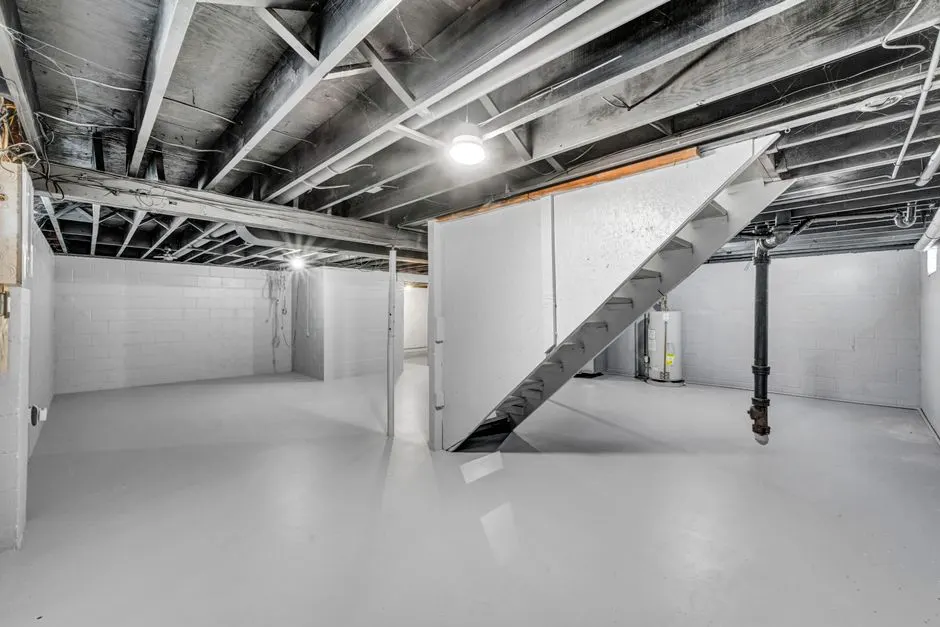
Wisconsin basements flood after heavy rain when water collects against the foundation, saturates the surrounding soil, or overwhelms a drain or sump pump. The water then enters through wall and floor cracks, window wells, foundation joints, or plumbing and drainage failures. Heavy downpours and spring snowmelt can make several of these conditions happen at once.
Why basements flood after heavy rain in Wisconsin is a practical guide to tracing the entry point, limiting damage, and deciding when you need professional water removal. Our team works across Wisconsin, where freeze-thaw cycles, clay-rich soil in some areas, and intense storm runoff all put pressure on basement foundations.
Why basements flood after heavy rain in Wisconsin is a common foundation-water problem that occurs when stormwater exceeds the capacity of the soil, drainage system, or sump pump and enters a below-grade space.
Why does my Wisconsin basement flood when it rains heavily?
Wisconsin basements flood during heavy rain because rainfall can soak the ground faster than water can drain away from the foundation. Water pressure builds in saturated soil and pushes water through weak points, while clogged footing drains, failed sump pumps, and poor grading leave more water around the house.
Rainfall intensity matters as much as the storm total. A 2-inch downpour in a few hours can overwhelm a yard that usually handles steady rain, especially when the ground is already wet or partly frozen. In late fall and winter, frozen soil can shed meltwater toward the foundation instead of absorbing it.
Several causes can overlap:
- Downspouts discharge close to the foundation or are blocked by leaves.
- Soil slopes toward the house, directing runoff to basement walls.
- A sump pump loses power, has a stuck float, or cannot keep up with incoming water.
- Foundation cracks, porous masonry, or window wells provide a path indoors.
- Storm or sanitary sewer backups force water through a floor drain.
Our Basement Water Removal in Wisconsin work begins by identifying whether water came through the structure, rose from a drain, or spilled from a failed pump. That distinction matters: removing standing water is only the first step if the route remains open.
How rainwater gets into Wisconsin basements
Heavy rainwater enters Wisconsin basements through foundation openings, below-grade windows, floor drains, or a drainage system that cannot carry water away. The location and timing of the first wet spot often point to the cause.
Hydrostatic pressure and foundation seepage
When soil around your home becomes saturated, groundwater presses against the foundation. That pressure can drive water through hairline cracks, mortar joints, the seam where the wall meets the floor, and porous concrete block. A damp line at the bottom of the wall after every storm often suggests water pressure or a compromised foundation drain.
Rainwater seepage through basement walls may leave mineral deposits, darkened patches, peeling paint, or a white powdery residue called efflorescence. Water can also travel behind a finished wall before it becomes visible, so a musty smell or a soft baseboard deserves attention even if the floor looks dry.
Roof runoff, grading, and window wells
A downspout that empties beside the house can send hundreds of gallons toward the foundation during a storm. Extend downspouts at least 4 to 6 feet from the wall where the lot allows, and keep the soil surface sloping away from the home for the first several feet. A settled walkway or low spot can reverse that slope.
Window wells collect runoff and debris. If a well fills above the window frame, water can enter around the sash or through a poorly sealed opening. Clear leaves, check the drain at the bottom, and keep the cover seated without blocking the window's intended exit.
Drain and sump system failures
Footing drains collect groundwater around the foundation and direct it toward a sump pit or approved discharge point. A clogged drain, blocked discharge line, or overwhelmed municipal storm system can interrupt that route. If you hear the pump running continuously, inspect its discharge outdoors for a kink, ice, or water flowing back toward the house.
In communities with older combined sewer infrastructure, intense storms can also contribute to drain backups. Water coming up through a floor drain is different from seepage through a wall and should be treated as potentially contaminated. Do not touch it without protective equipment.
How to identify where water is entering
You can often narrow down a Wisconsin basement leak by tracking where water first appears, what it looks like, and whether the sump pump is running. Start only when the area is safe to enter.
After a storm, note the time, rainfall, and first wet location. Take photos before moving belongings or cleaning, and look for these patterns:
- Wall or floor-wall seam: water entering through a crack, joint, or saturated foundation drain system.
- Below a window: a full window well, failed seal, or poor surface drainage.
- Near the sump pit: pump failure, a high water table, or a blocked discharge line.
- At a floor drain: a drain or sewer backup rather than ordinary wall seepage.
- Under a pipe or appliance: a plumbing leak that may only be noticed during storm cleanup.
Check the sump pump without reaching into standing water. Listen for the motor, look for a tripped breaker from a dry location, and confirm that the outdoor discharge is open. If water is near outlets, a furnace, or an electrical panel, stay out and have power shut off safely by a qualified professional.
Repeated basement water entry after rainfall deserves a drainage inspection, even when each episode leaves only a shallow puddle. Our Basement Water Removal in Milwaukee team sees how older foundations and intense runoff can combine in established neighborhoods; the same clues help homeowners elsewhere in Wisconsin pinpoint the source.
What to do while water is coming in
When rainwater is entering a Wisconsin basement, protect people first, stop electrical hazards, and remove water only after the area is safe. Quick action reduces the time that flooring, drywall, and stored belongings stay wet.
- Keep children and pets away from the flooded area, especially if the water may have touched a drain or sewer.
- Do not step into water if it could contact energized outlets, cords, appliances, or a breaker panel.
- If safe, move dry valuables and furniture away from the wet area; place foil or blocks under furniture legs.
- Photograph the water level, damaged belongings, and likely entry point for your records.
- Once electrical risk is ruled out, remove standing water and begin drying materials promptly.
Water-damaged carpet, drywall, insulation, and wood can hold moisture after the visible puddle is gone. Aim to start drying within 24 to 48 hours; wet porous materials left longer can develop odor and microbial growth. We use extraction and drying equipment to remove water from floors and help dry affected structural materials.
For active flooding that exceeds a household wet vacuum or keeps returning, Emergency Basement Water Extraction in Wisconsin is the right kind of response. We remove standing water, check the affected area, and identify whether more drying or cleanup is needed.
Common mistakes that make basement flooding worse
Common Wisconsin basement flooding mistakes include ignoring a slow leak, relying on a sump pump without testing it, and sealing a wall before fixing the outside water source. These choices can hide the symptom while moisture continues to collect.
Do not paint over a damp foundation wall as a first repair. A coating may conceal a stain temporarily, but it does not correct the pressure or drainage condition pushing water through the wall. Likewise, a dehumidifier can reduce damp air after a leak; it cannot extract inches of standing water or repair a blocked drain.
Do not pump a basement aggressively if water is high outside and the foundation is under pressure. In some situations, removing groundwater too quickly can increase pressure differences across the structure. A professional can assess the conditions and choose a safe removal approach.
Other avoidable errors include running extension cords through water, putting contaminated items in household laundry, and assuming a clear sump pit means the pump works. Test the pump by adding water to the pit according to the manufacturer's instructions, and arrange a battery backup if outages are common during storms.
When to call a professional
Call a basement water removal professional in Wisconsin when water is still entering, covers a large area, reaches electrical equipment, may contain sewage, or has soaked porous materials. A prompt response helps limit damage and gets drying started before moisture spreads behind finishes.
Call for help right away if the water is rising, the sump pump has failed, a floor drain is backing up, or the water has a sewage odor. If the water is shallow and the area is clearly safe, you can still benefit from an inspection when the same wall or corner gets wet after multiple storms.
Our technicians extract standing water, check affected materials, and set up drying equipment when needed. We also help distinguish heavy rain basement water intrusion from plumbing leaks and drain backups, so the cleanup fits the source. Wisconsin Basement Water Removal Pros can help you get a flooded basement under control and make a clear plan for drying and cleanup.
Frequently Asked Questions
Why does my Wisconsin basement flood when it rains heavily?
Most often, saturated soil pushes water through foundation cracks, wall-floor joints, window wells, or a drainage system that cannot keep up. Poor grading and short downspouts add runoff at the foundation, while a failed sump pump can let groundwater rise into the basement.
Can saturated soil cause basement flooding in Wisconsin?
Yes. After prolonged rain or snowmelt, saturated or frozen ground drains poorly and increases water pressure against foundation walls. Water may then enter through cracks or joints, particularly during a downpour that drops around 2 inches in a few hours.
How can I tell whether rainwater is entering through basement walls?
Look for wet streaks, damp masonry, mineral deposits, or a water line at a wall crack or the wall-floor seam after rain. Water appearing below a window suggests a well or seal issue; water rising from a floor drain points to a drain backup instead.
When should I call a professional after a basement floods?
Call immediately if water is rising, near electrical equipment, sewage-contaminated, or too deep for safe household removal. For clean water, arrange help as soon as practical if carpet, drywall, or insulation is wet; begin drying within 24 to 48 hours to reduce secondary damage.
Get help with Basement Water Removal in Wisconsin
If heavy rain has left standing water or recurring seepage in your basement, Wisconsin Basement Water Removal Pros can extract the water and help you move into the drying and cleanup stage. Call +18668968166 for help with basement water removal.