
If water is shallow, clean, and well away from electricity, you can often remove it yourself; if it is rising, contaminated, or near electrical equipment, choose emergency basement water extraction. In Wisconsin, a failed sump pump during a spring thaw or a sewer backup can turn a manageable puddle into a safety and building-damage problem in hours.
Emergency basement water extraction vs DIY cleanup in Wisconsin is a choice between safe, limited cleanup and rapid removal backed by drying equipment and contamination controls. Our team helps homeowners get water out, identify what caused it, and dry affected materials before hidden moisture becomes a larger repair.
Emergency basement water extraction vs DIY cleanup in Wisconsin is a response decision that determines whether you remove a small, safe amount of water yourself or bring in trained help for hazardous, substantial, or fast-spreading flooding.
Emergency extraction or DIY: the short answer for Wisconsin homeowners
Wisconsin homeowners should reserve DIY cleanup for a small amount of known, clean water in a basement with no electrical, structural, or sewage hazard. Call a professional for deeper or rising water, any sewage, or water touching outlets, appliances, a furnace, or a breaker panel.
That line is practical, not arbitrary. Water conducts electricity, and a basement can hide energized wiring at floor level or inside wet walls. If you cannot confirm that the area is electrically safe, stay out and contact emergency services or the utility company as appropriate before anyone enters.
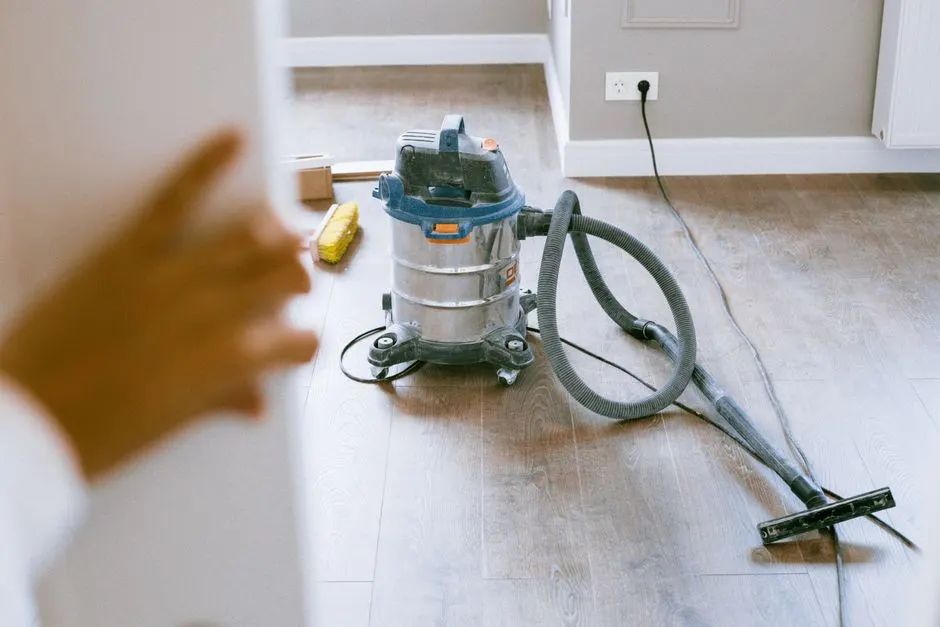
Our Basement Water Removal in Wisconsin service is built around getting water out and addressing the conditions left behind, not just pushing a puddle toward a floor drain. For a small, controlled spill, a wet/dry vacuum and towels may be enough; a flooded room or unknown water source calls for more than household cleanup.
Why Wisconsin basements flood-and why speed matters
Wisconsin basements flood after snowmelt, intense rain, frozen or blocked drainage, and sump pump failures, with November rain and freeze-thaw conditions also stressing foundations and discharge lines. Even a modest amount of water can soak carpet backing, drywall, stored belongings, and the bottom edges of wood trim.
Heavy spring rain can arrive while the ground is still saturated or partly frozen, so water has fewer places to drain. In older homes, a cracked foundation, deteriorated mortar, or a floor drain that cannot keep up may add to the problem. If a sump pump runs continuously or its pit refills quickly after a failure, the source still needs attention even after you remove the visible water.
Moisture left in porous building materials can support mold growth, and the first day is important for getting wet items out and starting controlled drying. Surface water can disappear while moisture remains beneath flooring or behind baseboards. In damp or cool conditions, materials take longer to dry; a fan alone does not prove the wall cavity is dry.
Across older neighborhoods and lake-effect weather corridors, the details vary from property to property. For example, Basement Water Removal in Milwaukee addresses the same urgent distinction between a minor clean-water spill and water entering through a failed pump, drain, or foundation opening.
Should I hire emergency basement water extraction or clean it up myself?
Hire emergency basement water extraction when water is deeper than a minor spill, the source is unknown, the flooding is continuing, or you cannot verify that the electrical system is safe. DIY cleanup is reasonable only when the water is clean, shallow, contained, and far from powered equipment.
Use this quick screen before you reach for a pump. If even one answer points to a hazard, do not enter the water.
- Water source: Is it from a clean supply line, or could it contain sewage, drain water, fuel, or chemicals?
- Electrical safety: Are outlets, cords, a furnace, water heater, or breaker panel wet or close to the water?
- Depth and movement: Is water rising, flowing in, or deep enough to cover footwear and conceal floor hazards?
- Building materials: Is carpet, insulation, drywall, or stored furniture soaked over a broad area?
Water from a broken clean-water pipe is not the same as water from a floor drain or sewer line. If the source is unclear, treat it as contaminated until identified. Do not handle sewage-soaked items without appropriate protective equipment, and do not use a household vacuum on floodwater unless it is specifically designed for wet pickup and the power supply is safe.
DIY flooded basement cleanup risks include electric shock, exposure to bacteria or chemicals, back strain, and leaving moisture trapped where you cannot see it. The lowest-cost choice at the start is not always the lowest-cost outcome if wet insulation or flooring stays in place.
What professional extraction changes
Professional basement water extraction in Wisconsin combines water removal, safer work practices, and moisture checks so you can see what remains wet after the standing water is gone. We first identify the likely source and hazards, then choose equipment for the water depth, floor layout, and materials affected.
Basement pumping equipment and safety matter because a pump's output is only one part of the job. The operator must route discharge away from the foundation, protect electrical circuits, control hoses and cables, and avoid sending water into a neighboring area or back toward the house.
Depending on the conditions, a crew may use a submersible pump for deeper water, a truck-mounted or portable extraction system for broad removal, and wet-vacuum equipment for edges and low spots. Moisture meters help check building materials; air movers and dehumidifiers then support drying. A reading from one spot is not a guarantee that every wall or flooring layer is dry, so technicians compare readings across affected areas.
For example, a failed sump pump can leave water beneath stored items and around a pit even after the pump is replaced. We handle Emergency Basement Water Extraction in Wisconsin when the immediate priority is removing water safely, then continue with drying steps suited to the affected space.
Professional flood cleanup versus do-it-yourself work also differs in contamination handling. If wastewater has entered the basement, removing the visible liquid does not sanitize porous materials or address residue on hard surfaces. The right response includes separating affected items, cleaning appropriate surfaces, and disposing of materials that cannot be safely restored.
DIY mistakes that make basement flooding worse
Wisconsin homeowners most often make basement flooding worse by entering water before checking electricity, pumping aggressively against a flooded foundation, or assuming a dry-looking floor means the room is dry. Slow down enough to identify the hazard and the water source first.
A common mistake is switching on a wet/dry vacuum or extension cord while standing in water. Another is using a small household pump without checking its discharge route; water sent beside the foundation can seep back in. Never run a gasoline-powered generator, pump, or pressure washer indoors or in an enclosed basement because exhaust can cause carbon monoxide poisoning.
Watch for these avoidable problems:
- Walking through water before shutting off power from a dry, safe location.
- Mixing bleach with ammonia or other cleaners, which can release dangerous gases.
- Leaving wet carpet pad, cardboard, or soaked insulation in place because the surface feels dry.
- Using a fan to blow air across sewage-contaminated areas and spread droplets or particles.
- Throwing away wet materials before documenting damage for your insurer.
If a breaker panel or electrical appliance is wet, do not touch it. Contact a qualified electrician or utility provider for safe power isolation. Keep children and pets out of the basement until hazards are removed and the floor is dry enough to walk on safely.
When to call a professional for a flooded Wisconsin basement
Call a professional for a flooded Wisconsin basement if water is contaminated, deeper than a small spill, still entering, or near electrical equipment, or if porous materials are soaked. A prompt response also makes sense when the sump pump failed, the water source is unknown, or you cannot remove water with equipment rated for the task.
For a tiny clean-water spill, you can remove loose items, blot the floor, and use a wet-rated vacuum if the outlet and circuit are dry and safe. For a larger event, keep people out, photograph the damage from a safe position, and note when the flooding began and what source you observed.
Our team at Wisconsin Basement Water Removal Pros can extract water, help you understand what remains wet, and guide the next cleanup steps. For a sump failure or an active leak, explaining the water depth, source, and whether power is affected helps us prepare the right response.
Typical 2026 pricing in Wisconsin varies with water volume, contamination, affected materials, and the drying work required; modest extraction may run a few hundred dollars, while a larger or contaminated loss can reach several thousand. We explain pricing upfront before work starts, because a small clean-water spill and a sewage-affected basement are not the same job.
Frequently Asked Questions
When should I choose emergency basement water extraction over DIY cleanup?
Choose emergency extraction when water is rising, deeper than a minor spill, contaminated, or near electrical equipment. If the water is clean, shallow, and safely isolated from power, you can often remove it yourself. If you cannot establish the source or confirm electrical safety, stay out and call for help.
Is it safe to clean a flooded basement yourself in Wisconsin?
It is safe only when the water is a small amount of clean water and no electrical or structural hazards are present. Do not enter if water reaches outlets, appliances, wiring, or a breaker panel. Sewage and unknown floodwater also require protective procedures and appropriate cleanup.
What equipment do professionals use to extract basement water?
Crews commonly use submersible pumps for deeper water, high-capacity extraction equipment or wet vacuums for remaining water, and moisture meters to check materials. Air movers and dehumidifiers support drying after extraction. The crew selects equipment based on water depth, contamination, access, and the materials affected.
Can DIY cleanup prevent mold after basement flooding?
DIY cleanup can help prevent mold when you remove clean water quickly, take out wet porous items, and dry affected materials thoroughly. Surface drying alone is not enough if moisture remains under flooring or behind drywall. Check concealed areas and arrange professional drying if you cannot verify they are dry within 24-48 hours.
Can a household pump remove basement floodwater safely?
A household pump can remove clean water if it is rated for the job, the power source is dry and protected, and the discharge goes well away from the foundation. It is not suitable for sewage or water near electrical hazards. Never operate fuel-powered equipment indoors.
Get help with Basement Water Removal in Wisconsin
If water is spreading through your basement, our team can help you choose a safe next step and remove water before more materials stay wet. Call Wisconsin Basement Water Removal Pros at +1 (866) 896-8166.