
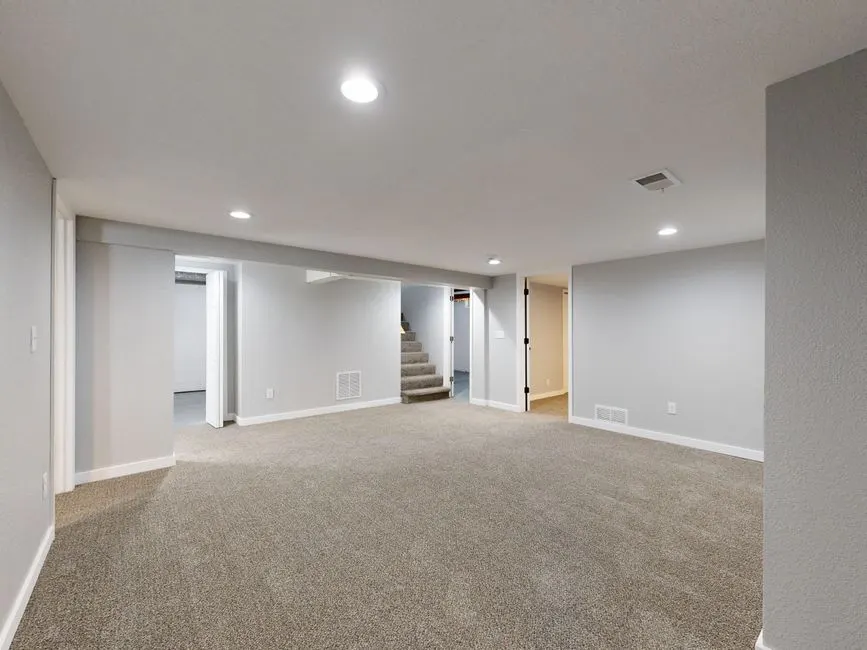
Basement water removal cost in Wisconsin ranges from about $500 to $1,500 for straightforward pumping and extraction, while a flooded basement cleanup that includes contaminated water handling, material removal, and drying often runs $2,000 to $8,000 or more. The price depends chiefly on how much water is present, what brought it in, how long it sat, and which building materials became wet. We explain what makes estimates differ, what drying adds, and which Wisconsin conditions commonly turn a small water problem into a larger restoration job.
Basement water removal cost in Wisconsin is the price of extracting standing water and beginning the cleanup needed after a basement flood or water intrusion. Our team helps homeowners across Wisconsin understand the work behind a quote, whether a spring downpour overwhelms a sump pump or winter thaw pushes groundwater through a foundation.
For a broader overview of our local services, Basement Water Removal in Wisconsin includes help with extraction, cleanup, and drying. Here is how to read the numbers before water damage spreads.
How much does basement water removal cost in Wisconsin?
Basement water removal in Wisconsin costs roughly $500-$1,500 for limited clean-water extraction and about $2,000-$8,000 or more when the job includes broader cleanup and drying. Those are planning ranges for typical 2026 pricing in the area, not a fixed rate; a large or contaminated loss can exceed them.
A basement water extraction price usually reflects the crew's time, pumps or extractors, protective equipment, and how difficult it is to reach the water. A few inches across an open concrete floor is a different job from water trapped beneath carpet, finished walls, storage, or a furnace platform.
As an example, a small area with an inch of clean water, clear access, and no wet porous materials may land near the lower end. A finished basement with several inches of water, soaked carpet, and wet drywall requires more extraction, demolition, and drying equipment.
- Limited extraction, open floor, clean water: approximately $500-$1,500.
- Multiple rooms or wet contents and materials: approximately $1,500-$4,000.
- Contaminated water, significant material removal, and multi-day drying: approximately $3,000-$8,000 or more.
These ranges overlap because the cause and scope matter as much as the number of gallons. The initial emergency pumping cost is only one part of the total if walls, insulation, or flooring remain damp afterward.
What affects the price of basement water extraction?
The price of basement water extraction in Wisconsin is driven by water volume, contamination, affected materials, access, and the time needed to dry the structure. Our technicians inspect these conditions because two basements with the same water depth can need very different work.
Water depth and affected square footage
More water takes longer to remove, and it often reaches more surfaces. A quarter-inch across a 400-square-foot basement is about 83 gallons; two inches over that same area is roughly 665 gallons. The actual volume depends on floor layout and obstructions, but those estimates show why depth matters.
Water also travels under furniture and into low spots. If you have a floor drain, sump pit, or utility-room depression, we check those areas rather than pricing only the visible puddle.
Water source and contamination
Rainwater entering through a foundation and clean supply-line water usually require a different response from a sewer backup. Category and contamination risk affect protective gear, cleaning, disposal, and whether porous materials can safely remain.
For a sewage event, the crew must treat the water as contaminated and follow appropriate sanitation practices. That work is more involved than pumping clean water from a failed sump system, so sewage removal and cleanup costs more.
Materials, contents, and access
Concrete is comparatively simple to dry once standing water is removed. Carpet pad, insulation, baseboards, and drywall can hold moisture, and some materials need removal when they are saturated or contaminated. A packed storage room also takes longer because contents must be moved or protected before crews can reach the wet floor.
Our team considers stairs, narrow doorways, parking distance, and equipment placement. A basement with a clear walkout and accessible drain is faster to service than one requiring hoses and equipment through a finished main floor.
Homes around Basement Water Removal in Milwaukee include older basements and finished spaces where tight access or layered flooring can change extraction and drying work. The specific home matters more than a neighborhood-wide price label.
Does basement flood restoration pricing include drying?
Basement flood restoration pricing includes drying only when the estimate specifically accounts for air movers, dehumidifiers, moisture checks, and the expected equipment period. Water extraction stops visible pooling; drying removes moisture held in concrete, framing, drywall, and other materials.
After extraction, our technicians use moisture readings to identify wet areas that may not look wet. We place air movers to circulate air across surfaces and commercial dehumidifiers to collect moisture. A typical drying setup runs for about three to five days, though thick materials or continuing seepage can extend that period.
For a small, open concrete basement, the drying portion may add several hundred dollars. A larger finished area needing multiple dehumidifiers and daily monitoring can add roughly $500-$2,000 or more. The final amount depends on equipment quantity, duration, and which materials must be dried or removed.
When comparing Wisconsin basement water extraction pricing, check whether the quoted work ends after pumping or includes drying and follow-up moisture checks. Our Basement Drying and Dehumidification in Wisconsin work addresses the moisture left behind after standing water is gone.
Wisconsin conditions that change cleanup costs
Wisconsin basement cleanup costs shift with seasonal rain, snowmelt, freezing temperatures, and the water source affecting the property. In November, wet ground and cold weather make it important to identify whether water entered through a foundation, a failed pump, or a plumbing problem before choosing equipment and repairs.
During winter, frozen or blocked discharge lines can keep a sump pump from moving water away from the foundation. A pump may run continuously, fail under load, or send water back toward the pit. The cleanup price then depends on water depth, how quickly the failure was found, and whether electrical equipment or finished materials were affected.
Spring thaw and heavy rain can raise groundwater around basements, particularly where grading slopes toward the house or downspouts discharge near the foundation. A cost of flooded basement cleanup after heavy rain in Wisconsin may include more than extraction if water repeatedly enters or the ground stays saturated.
Local conditions also shape access and scheduling. A narrow urban basement, rural property with a long hose run, or home where snow and ice block an exterior route can add labor. Our technicians explain the practical factors rather than treating every flooded basement as the same job.
Common mistakes that raise the final bill
Common basement cleanup mistakes in Wisconsin increase costs when they delay extraction, spread contamination, or leave hidden moisture behind. You can avoid several expensive problems by making safe choices in the first few minutes.
- Entering water near electrical equipment: Do not step into standing water if outlets, cords, or appliances may be submerged. Have power shut off safely before entering.
- Running an ordinary household vacuum: A wet/dry vacuum is not a substitute for commercial extraction across a flooded room, and electrical equipment can create a hazard.
- Waiting for the water to disappear: Damp drywall and carpet pad can continue absorbing moisture after the puddle shrinks. Call promptly so the affected area can be measured.
- Keeping contaminated porous materials: Carpet pad or insulation exposed to sewage should not be treated like clean, reusable material.
Another costly mistake is comparing a pumping-only price with a full restoration estimate. Ask what work the stated price covers: removal of standing water, disposal, cleaning, drying equipment, and moisture checks are separate tasks even when one company handles them together.
When to call a professional
Professional basement water removal in Wisconsin is warranted when water covers a large area, keeps returning, reaches finished materials, or may contain sewage. If water is near a breaker panel, furnace, or plugged-in appliance, stay out until the electrical hazard has been addressed.
Our team can assess the water source, estimate the affected area, and explain whether you need pumping alone or a complete cleanup and drying plan. For an urgent event, Emergency Basement Water Extraction in Wisconsin helps address standing water before it spreads farther into floors and walls.
Take a few photos from a safe, dry location and note when you first noticed the water. That information helps us understand whether the level is rising, whether a pump has stopped, and what equipment the basement may require.
Frequently Asked Questions
What is the average basement water removal cost in Wisconsin?
Basic extraction commonly costs about $500-$1,500, while cleanup with drying often falls around $2,000-$8,000 or more. The amount varies with water volume, contamination, materials, access, and drying time; a heavily damaged or sewage-affected basement can exceed that range.
What factors affect a flooded basement cleanup estimate?
Water depth, affected square footage, source and contamination, wet materials, access, and equipment duration shape the estimate. For example, 2 inches of water over 400 square feet is roughly 665 gallons, and saturated drywall or carpet pad adds work beyond extraction.
Does insurance cover basement water extraction and drying?
Coverage depends on your policy and the cause of the loss; sudden plumbing leaks may be treated differently from groundwater or sewer backup. Some policies require a separate sump-pump or water-backup endorsement. Contact your insurer promptly, document damage safely, and keep invoices and photos.
Can a company provide a basement water removal estimate before work?
Yes. A company can assess visible water, access, source, and affected materials to provide an initial estimate before work begins. The price may change if concealed wet areas or contamination become apparent during removal, so we explain what the assessment shows and which work the price covers.
How long does basement drying take after water removal?
Many basement drying jobs take about three to five days after extraction. Dense framing, wet insulation, continued seepage, or a large affected area can extend the process; moisture readings, not a dry-looking surface alone, help determine when materials are ready.
Get help with Basement Water Removal in Wisconsin
Water volume, contamination, damaged materials, and drying time all shape your basement water removal cost in Wisconsin. Call Wisconsin Basement Water Removal Pros at +1 (866) 896-8166 to discuss the water in your basement and get the cleanup process started.